
Chris Buttenham on Phantom Equity and Why Contractors Lose Their Best People
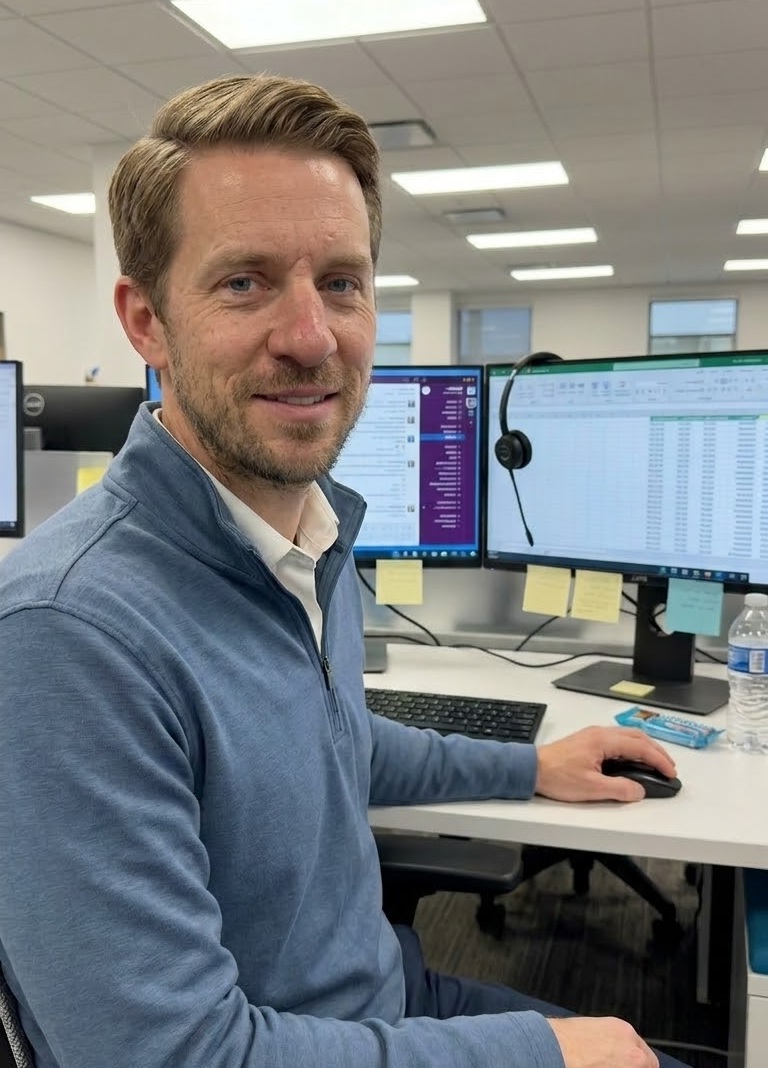
Nick Krane
Vice President of Content at ServiceMag.
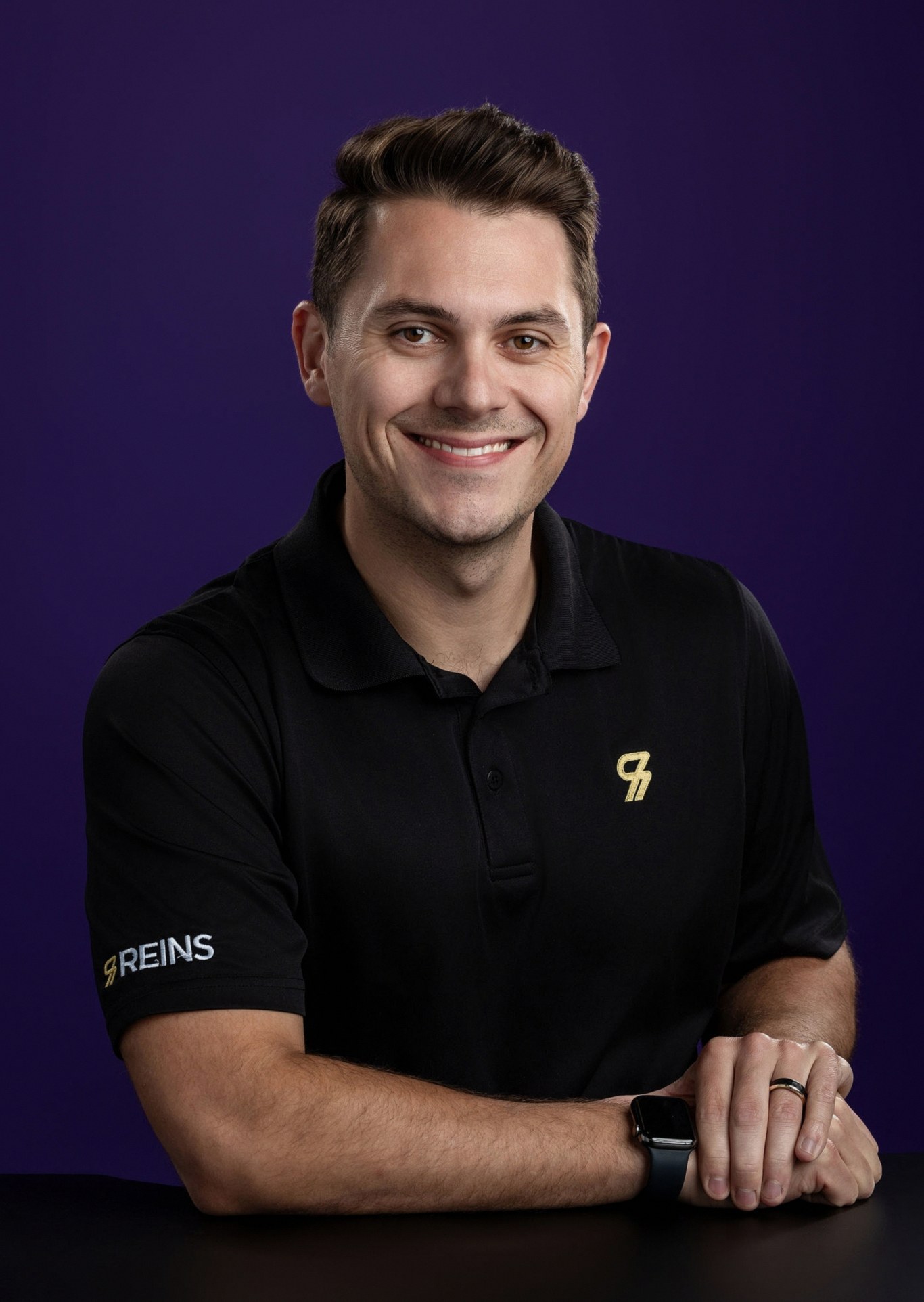
Chris Buttenham started his first business at 15. By 22 he'd built and sold a software company, having raised venture capital through well-known startup accelerators. Now he runs Reins, a company that brings alternative equity structures — specifically phantom stock — to independent service businesses that have never had access to them.
His co-authored book, Alternative Equity, lays out the case that the alignment tools powering tech startups and PE-backed firms can work just as well for a 30-person HVAC shop. We talked about what that looks like in practice, why high turnover quietly destroys business value, and what contractors can do about it right now.
ServiceMag: You started your first business at 15, founded and sold a tech company by 22, raised venture capital through some well-known startup accelerators — and then landed on solving retention for contractors. How did you end up here?
I've always wanted to build things. As a teenager, I launched my first business — a web agency — and later built and sold a software company in the venture capital startup world. That journey taught me valuable lessons about growth, equity, and the impact of ownership in fostering team alignment. But it also highlighted a significant issue: most of these tools were only available within venture capital, private equity, or large corporations.
At the same time, I grew up around the trades. After college, I worked for my dad, who is a contractor, and had a front-row seat to how hard owners in these industries work and how much of the business often lives in a few key people. Reins came from bringing those two worlds together. I saw an opportunity to take the alignment tools that had worked so well in tech and make them practical for independent service businesses that had been overlooked for far too long.
ServiceMag: Your dad is a contractor, and you've said that experience shaped Reins. What did you see firsthand that made you think the trades needed a different approach to keeping people?
When I was working in the business, I saw how personal these companies are. In the trades, a company is often built over decades through reputation, trust, and an enormous amount of sacrifice from the owner. But I also saw how vulnerable that makes the business when a key employee leaves. One great technician, manager, or operator can carry a huge amount of weight.
What stood out to me was that most owners wanted to reward and keep those people, but their options were limited. Raises and bonuses only go so far, and traditional equity is usually too expensive, too complex, or simply not a fit. The trades needed a way to share upside without forcing owners to give up control. That was the gap we set out to solve.
ServiceMag: A lot of contractors hear "equity" and think that means giving away part of their company. What is phantom stock, and why doesn't it require giving up ownership?
Phantom stock gives an employee the economic benefit of equity without giving them actual shares in the company. There's no transfer of ownership, no voting rights, and no dilution. The owner stays fully in control.
In simple terms, it's a promise that if the business grows in value or sells, the employee shares in that upside based on the terms of their specific contract. It creates alignment because the employee benefits when the business does well, but the owner doesn't have to restructure the company or give away real equity to make that happen.
ServiceMag: Walk us through what it actually looks like for, say, an HVAC shop owner who wants to use Reins to retain a senior tech.
It usually starts with identifying the key employee the owner doesn't want to lose and getting clear on the goal. Maybe it's retention, maybe it's succession planning, or maybe it's rewarding someone who already acts like an owner.
From there, we help the owner decide how much value they want to share and structure an award around the business. That's typically based on a valuation, which gives everyone a clear and tangible reference point. Once the plan is set up, the employee receives a phantom stock award that vests over time or based on certain milestones.
The key is keeping it straightforward for everyone. The owner retains full control, the employee clearly understands their award, and there's a transparent connection between their ongoing contributions and the compensation they'll receive over time.
Phantom stock vests over time — meaning the employee earns their share gradually. That built-in retention mechanic is what makes it different from a one-time bonus. If your best tech leaves after year one of a four-year vesting schedule, they only take 25% of the award with them. The remaining 75% stays with the business.
ServiceMag: You've talked about how buyers evaluate teams when looking at service businesses. What specifically are they looking for, and how does high turnover change the math on a sale?
Buyers are looking for stability, transferability, and reduced key-person risk. They want to know the business can keep performing after the owner steps back. That means a leadership bench, strong field management, documented processes, and key employees who are likely to stay through and after the transaction.
High turnover creates uncertainty. It raises questions about execution, customer relationships, culture, and the potential for future growth. When a business depends heavily on a few key individuals who aren't aligned or committed, buyers see it as a liability. This perception can cut valuation by as much as 20-50%. On the other hand, a stable team supported by thoughtful incentive structures signals resilience and makes the business more attractive — especially in those crucial 12-24 months post-transaction.
ServiceMag: There's a generational shift happening in the trades — younger techs have different expectations around compensation and career growth. How does alternative equity fit into what the next generation actually wants?
The next generation wants more than just a paycheck. They want visibility into where they're going, how they grow, and whether they're building something meaningful. Alternative equity fits that really well because it gives employees a clear connection between their effort and the long-term success of the business.
It also signals trust. It tells a high performer: you matter here, and if you help us build this company, you should share in the value you help create. That resonates with younger leaders who want a career path, not just a job. It gives them a reason to stay and think bigger.
ServiceMag: What's one thing a contractor reading this could do this week — without spending a dollar — to start improving retention?
Sit down with your top people and ask them a simple question: What would make this feel like a long-term opportunity for you?
Most owners assume they know why people stay or leave, but they rarely ask directly. That conversation alone can surface a lot. You may find that one employee wants more responsibility, another wants a clearer path to leadership, and another wants to understand how they can share in the growth of the business.
Retention usually starts with clarity. Before you build any formal incentive plan, make sure your best people know they have a future with you — and that you're serious about helping them build it.
Chris Buttenham is the co-founder of Reins and co-author of Alternative Equity. Reins helps independent service businesses structure phantom stock and alternative equity plans for key employees.
Related reading: How to Start an Appliance Repair Business in 2025 | Kevin Arnow on Maintenance Contracts and the Refrigerant Transition in Burbank
Need a repair professional?
Get free quotes from verified technicians in your area.
Find a Pro Near You