DOE Guidance Ends Gas-to-Electric Rebates in $4.5 Billion HEAR Program
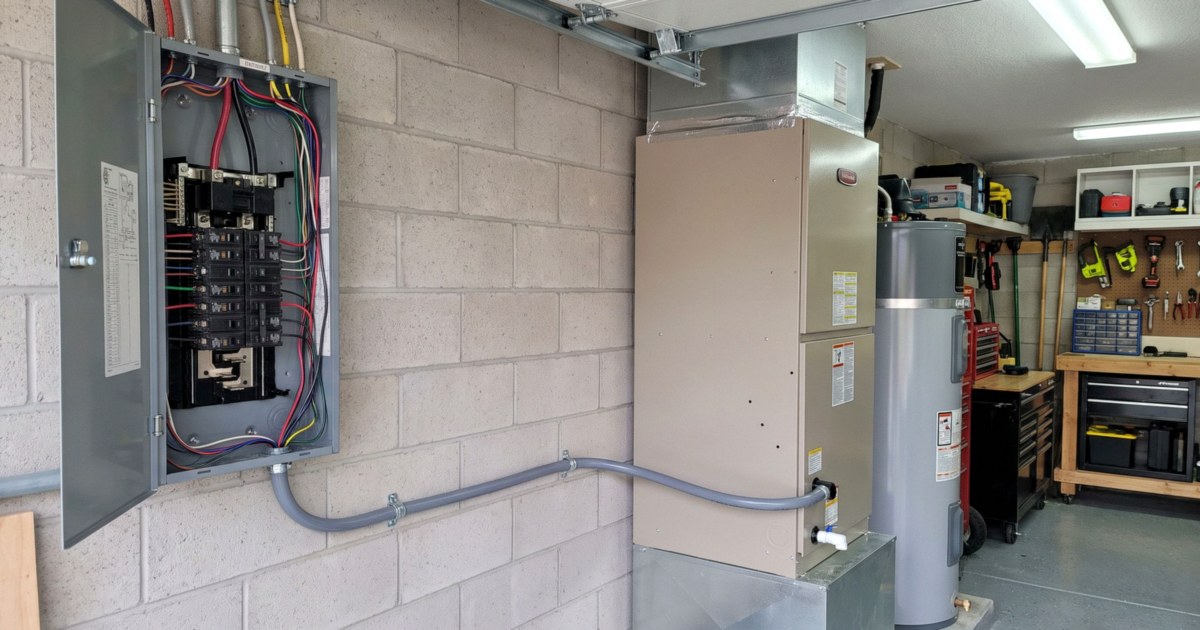
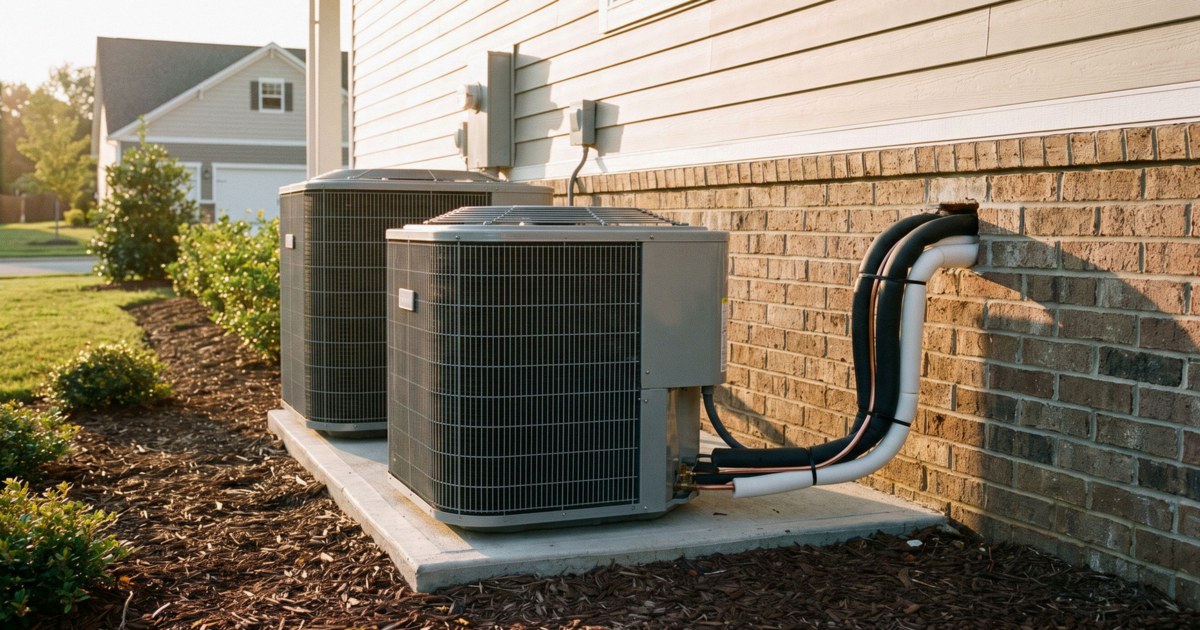
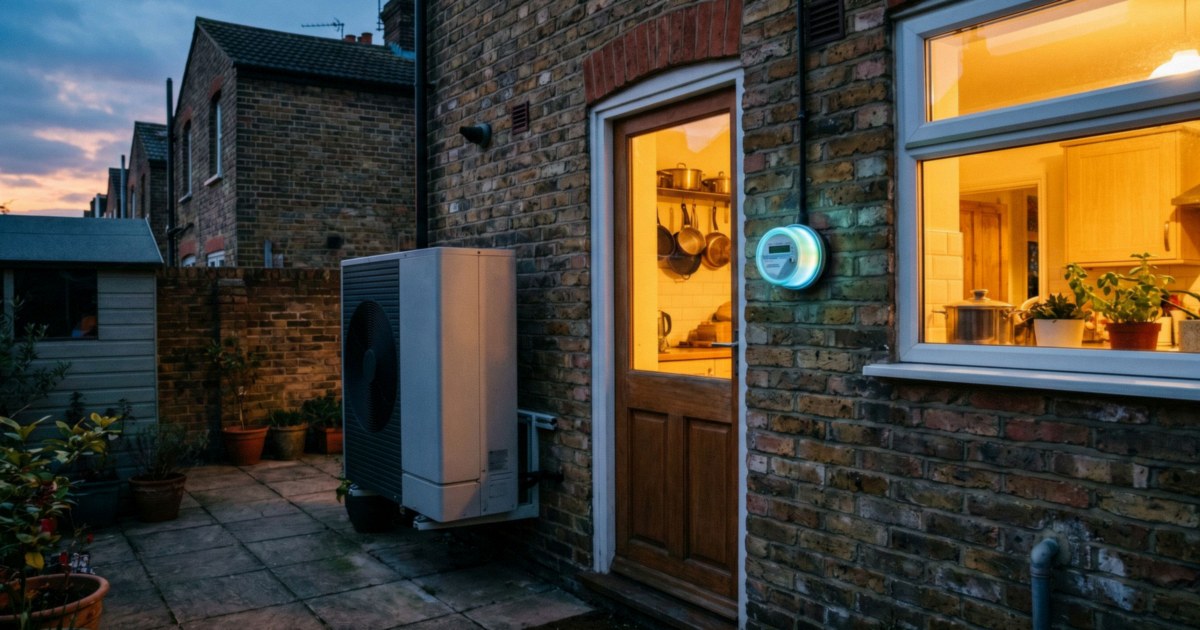
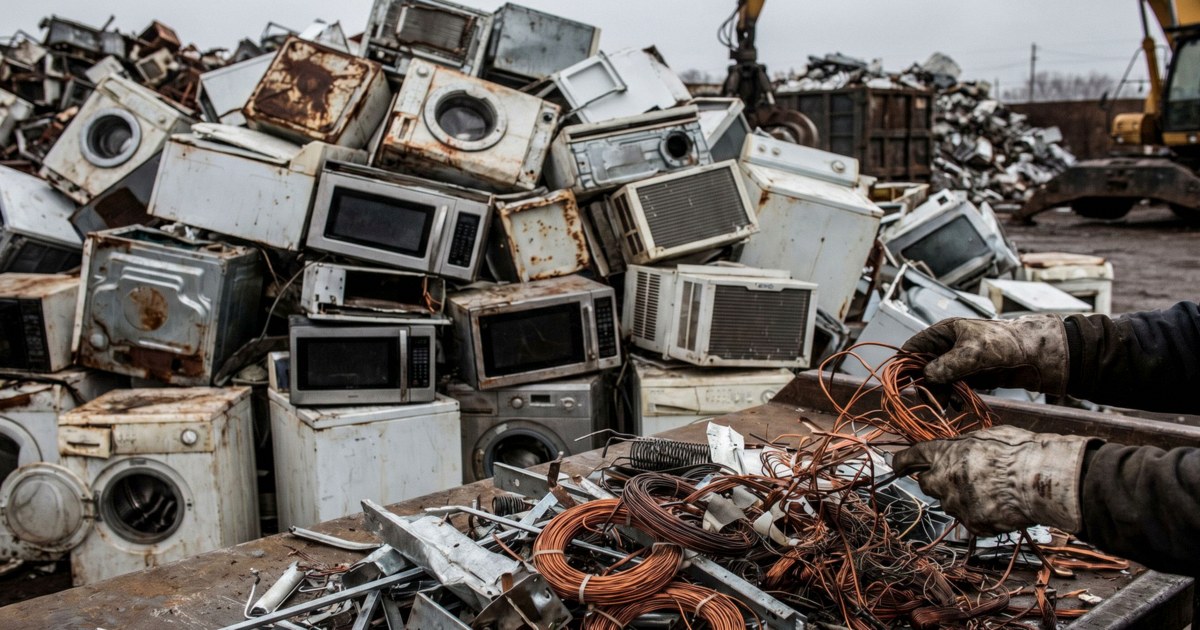
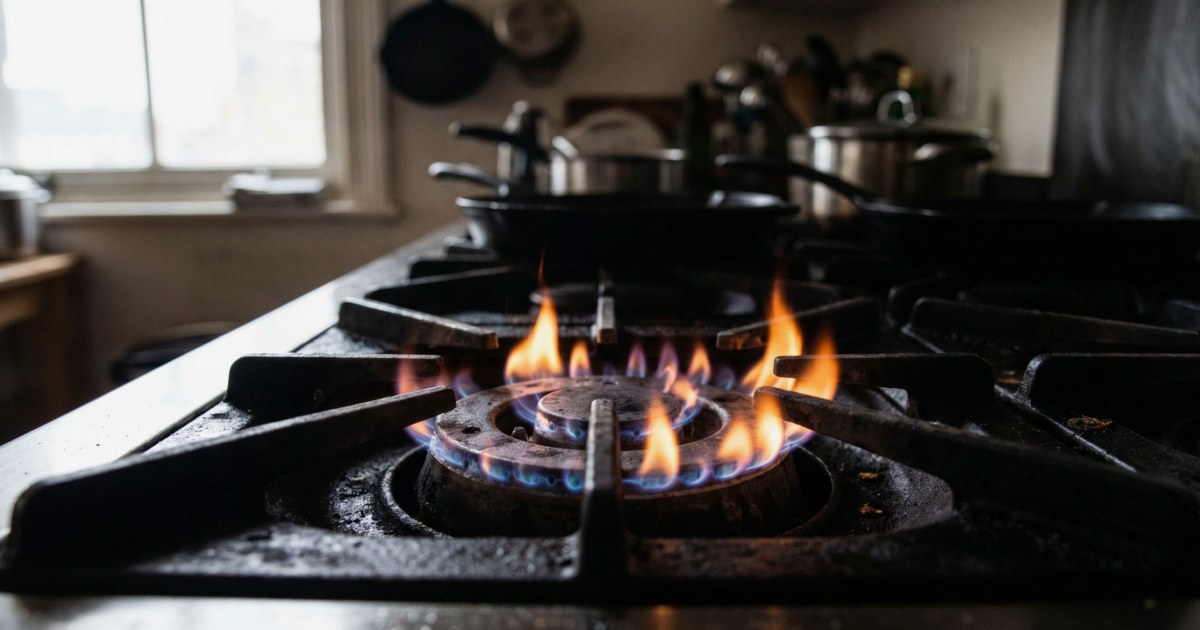
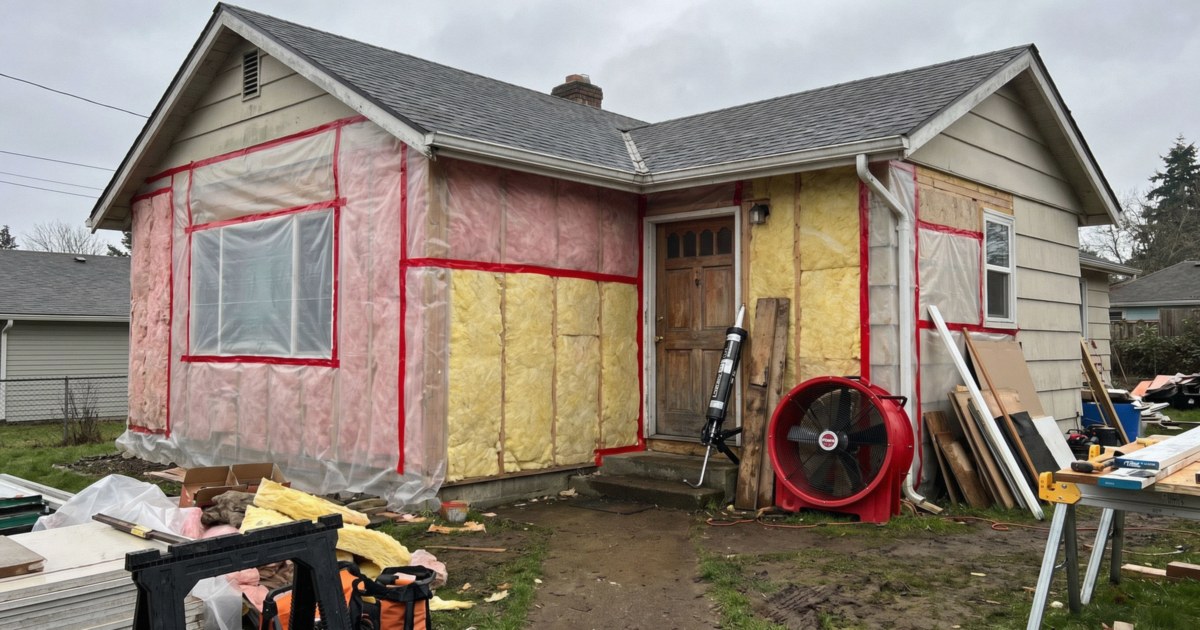
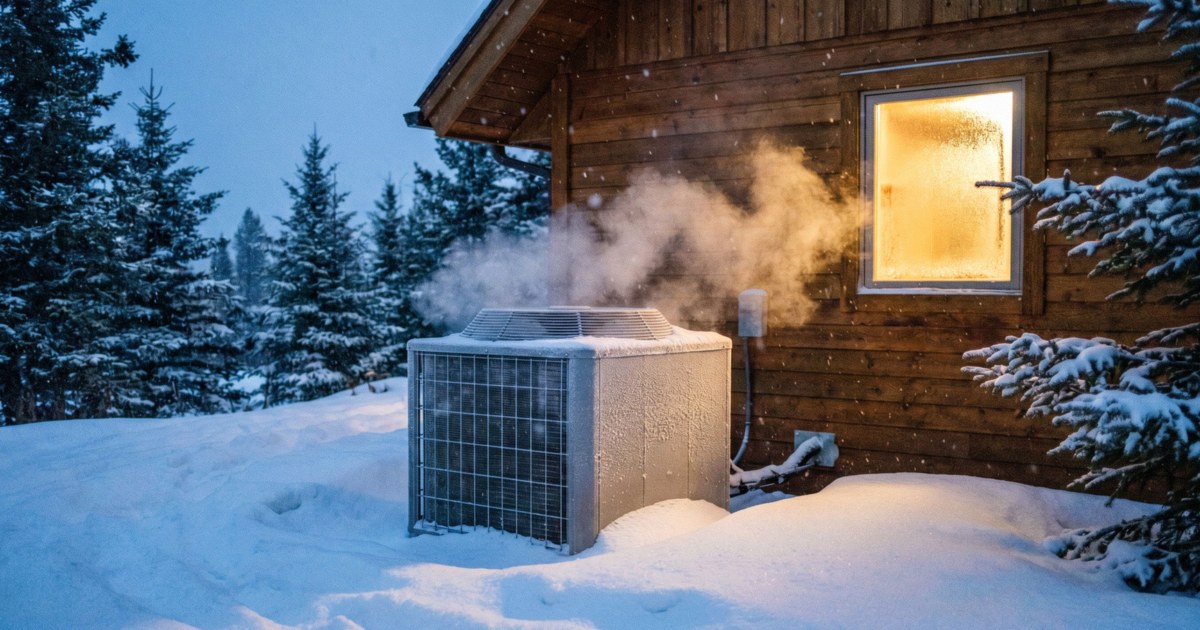
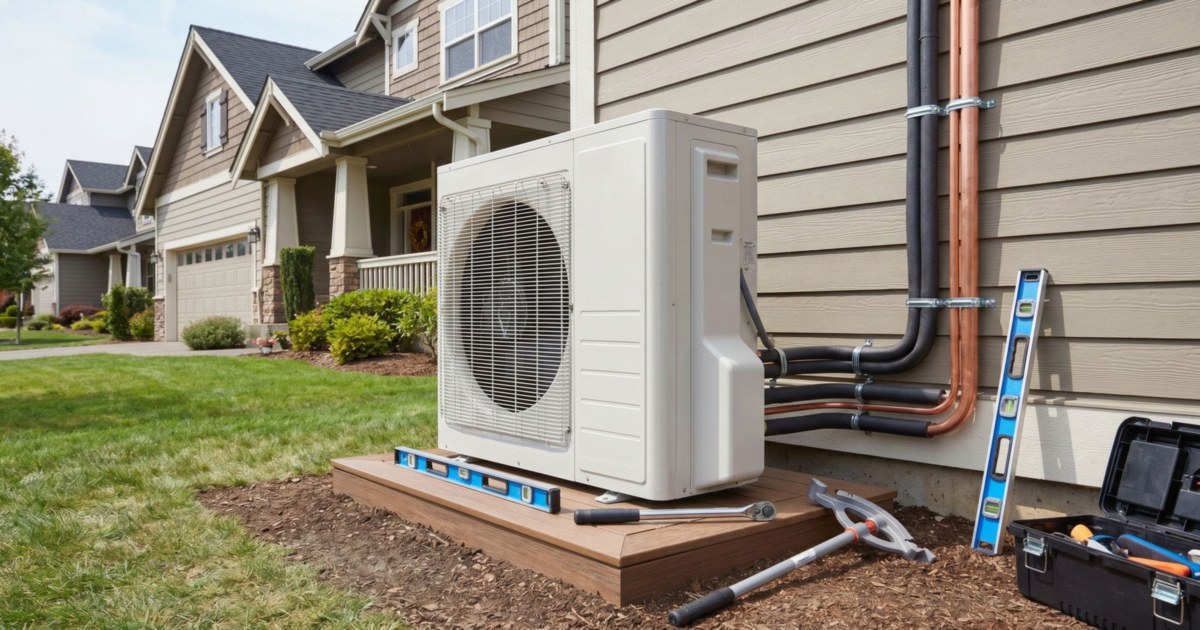
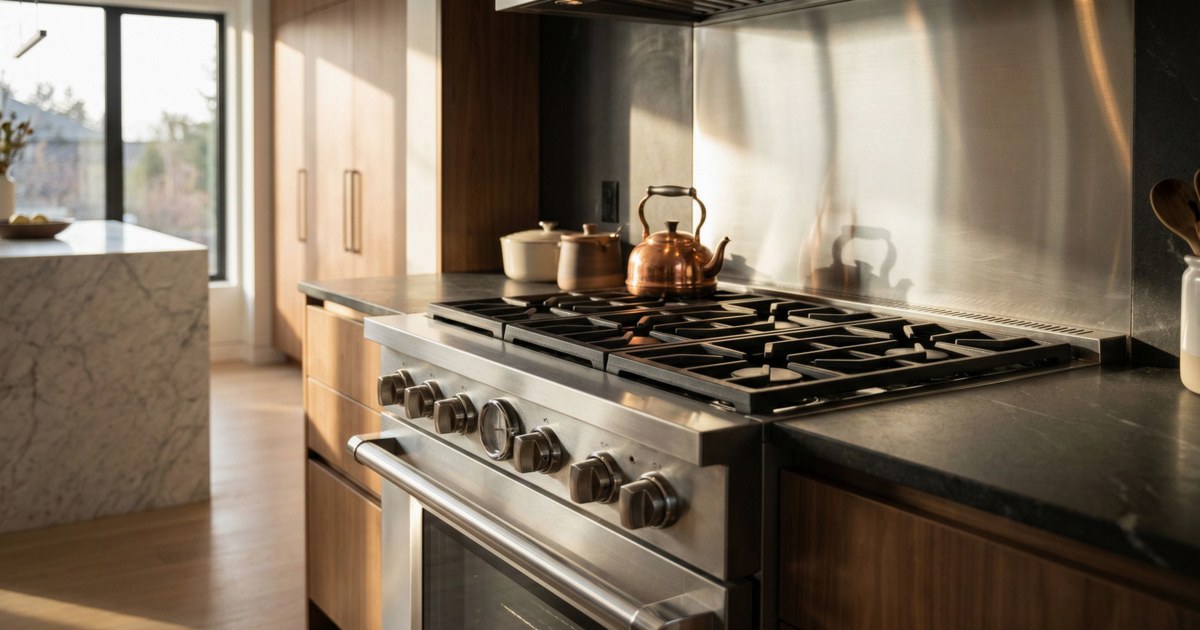
DOE guidance issued May 29 ends HEAR rebates for swapping gas appliances to electric, closing the furnace-to-heat-pump pathway in a dozen state programs.
The Most Trusted Source for Appliance & HVAC Industry Professionals
SubscribeThe latest from the appliance repair and HVAC industry.

DOE guidance issued May 29 ends HEAR rebates for swapping gas appliances to electric, closing the furnace-to-heat-pump pathway in a dozen state programs.

A June 8 proclamation cuts Section 232 tariffs on residential HVAC systems, evaporator coils, and AC parts from 25% to 15% through the end of December 2027.

May CPI data shows major appliance prices jumped 4.3% in a single month as tariff costs hit retail. Here's what that does to repair-vs-replace math for shops.

After 30 years in the field, I'm convinced the old assumption is wrong: spreading high-value work fairly across your techs usually protects margin instead of eating it — because retention is profit.

A 2024 European Journal of Operational Research study on sharing-economy technician routing finds that focused expertise usually beats cross-training — here's what that means for how you build routes and staff your shop.

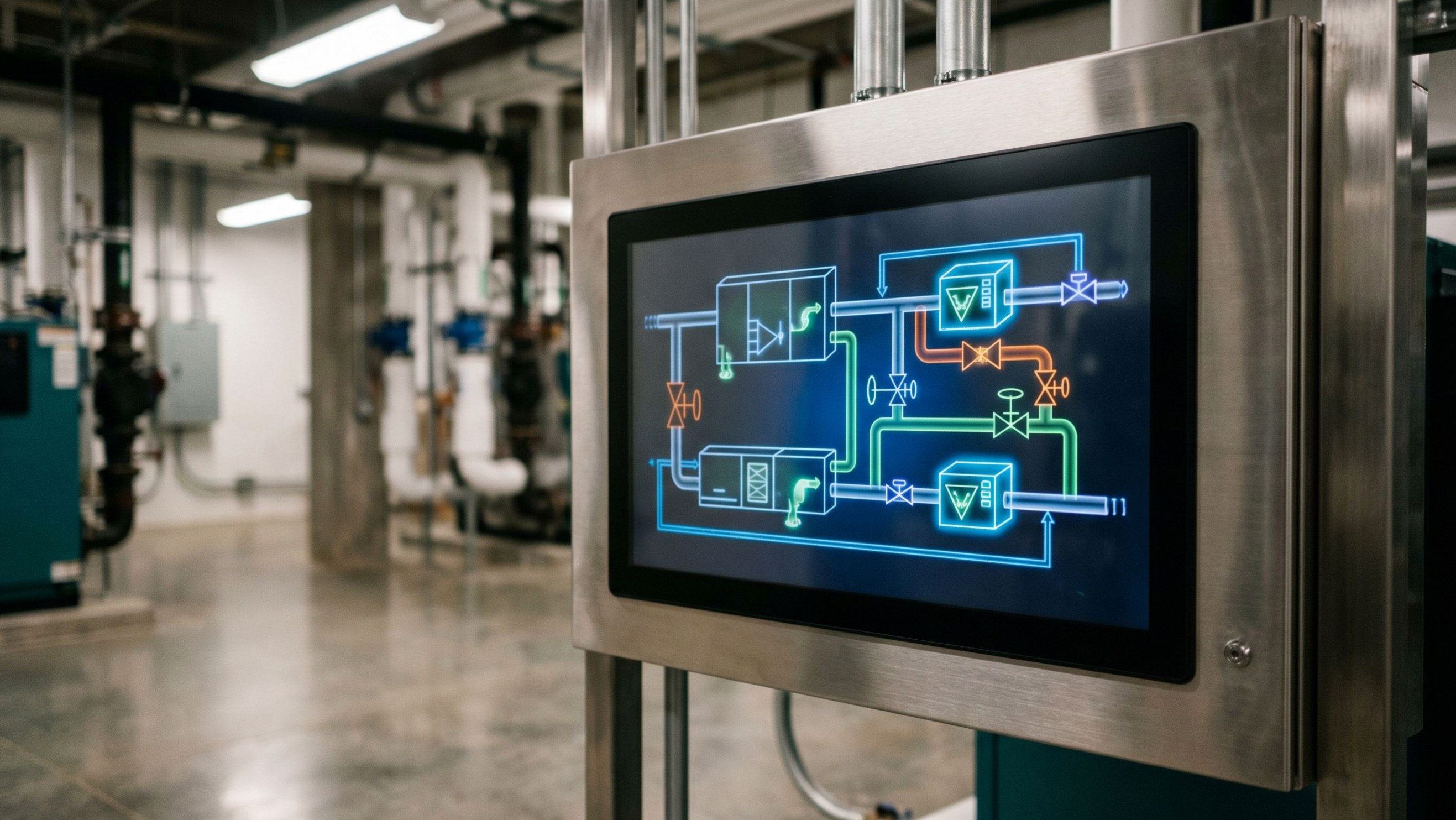
A three-year deployment study in Case Studies in Thermal Engineering documents 93% fault-detection accuracy and quantified kW/RT savings on live Taiwanese chillers — not simulations.

Field-validated research in Buildings applies deep learning to multi-year Building Management System data and turns forecasts into schedule-aware service actions for predictive maintenance contracts.

Analysis of 434 Spanish SMEs in Technovation finds digital transformation lifts firm performance largely through business-model innovation — new pricing, service agreements, and packaging — which partially mediates the link.

A randomized controlled trial in the Review of Economic Studies backs the classroom-plus-jobsite model California is expanding for HVAC — with negligible displacement of informal apprentices.

A 24-year analysis in the Journal of Management in Engineering shows unskilled construction wages predict skilled-trade pay bumps that follow — giving shop owners a bid-pricing signal.

Peer-reviewed research across 11 climate zones shows mechanical ventilation with CO2 demand control slashes school HVAC energy use without sacrificing indoor air quality.

Applied Thermal Engineering 2024 reports an 18.2% COP gain from pairing a rotary gas pressure exchanger with two low-lift ejectors in a transcritical CO2 refrigeration rig.

Purdue researchers report a variable-speed two-stage propane heat pump delivering 18.3% higher heating capacity and 5.8% better COP at -8.3°C than a single-stage design.

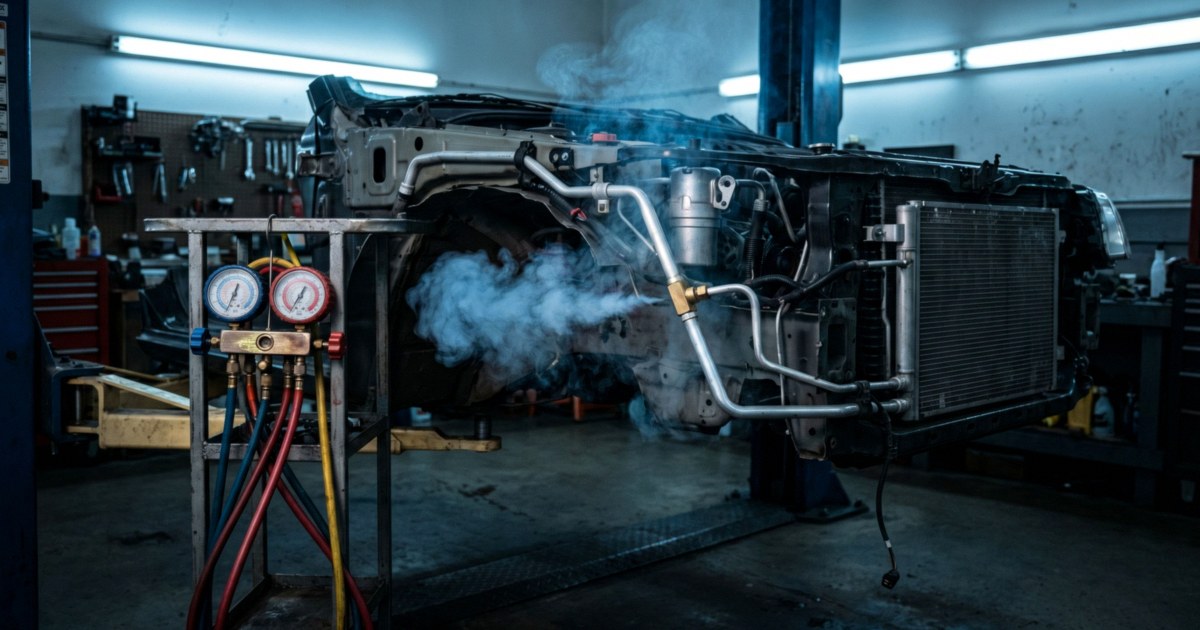
A 2024 International Journal of Refrigeration paper by Wang and colleagues simulated R-1234yf (A2L) and R-290 (A3) evaporator-outlet leaks in automotive AC. R-1234yf stayed below its LFL; R-290 exceeded it at every monitoring point. The result is a useful nuance for techs preparing to handle A2L and A3 refrigerants.

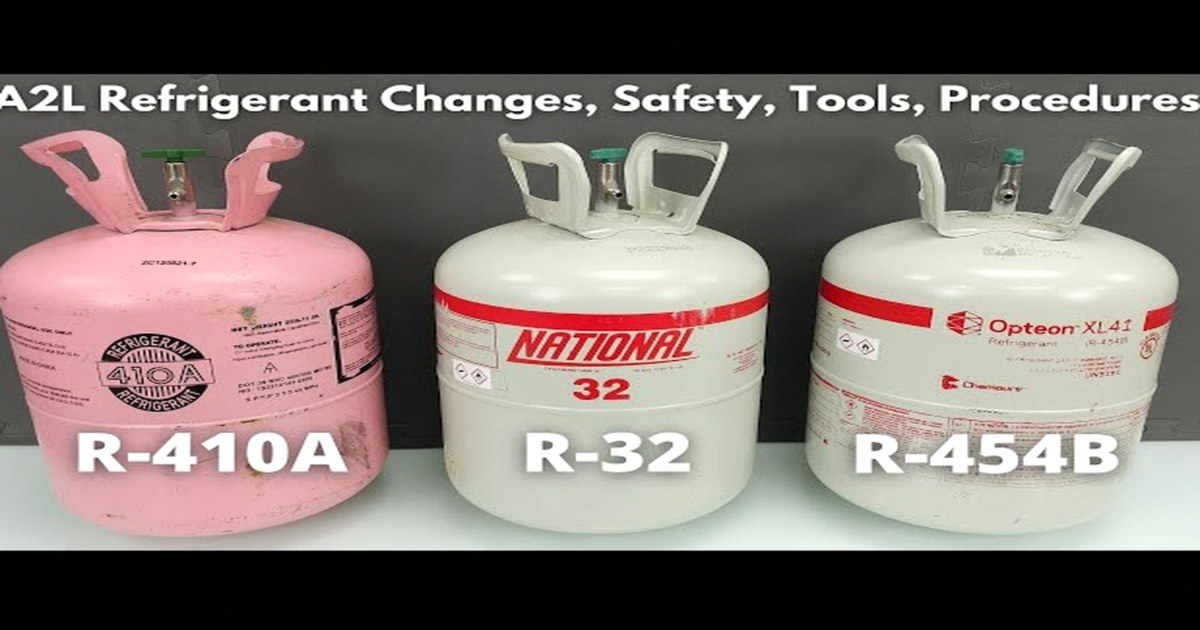
A 2026 International Journal of Refrigeration study benchmarked R-454B against R-410A across 24 in-rack tests and found a 38% EER advantage at the 9 kW high-load point with comparable PUE.

A Journal of Building Engineering 2025 comparison shows MOF-coated desiccant exchangers beat conventional cooling-coil dehumidification by 65 to 85% in latent-heavy climates.

An Applied Energy 2024 field study shows a low-cost MPC on a small commercial dual-fuel system cut bills 27%, eliminated the gas furnace, and shifted 23% of load to off-peak hours.

A typical mid-sized HVAC shop quietly walks away from roughly $53,000 a year in after-hours revenue. Where it actually goes, why AI voice agents aren't the fix, and what the call data shows about when shops really go dark.
A 2025 Applied Sciences study documents a university VRF retrofit posting a 5.35 seasonal COP, 67% less primary energy use, and 79% lower emissions per square meter than a gas-boiler baseline.

A 2024 systematic review in Energy and Buildings pins the biggest remaining GSHP performance gains on smarter controls and seasonal thermal storage, not new hardware.

Norwegian household data covering 70 years shows washer lifetimes fell from 19.2 to 10.6 years. Usage intensity and remodeling culture, not deliberate engineering, explain the decline.

A 2024 NBER paper using nationally representative data finds heat pump adoption is essentially flat across income levels, unlike solar or EVs. That makes IRA rebates unusually equitable.

A 2025 review of two decades of heat pump life-cycle research finds the use phase drives most environmental impact — and refrigerant leakage is the wild card California contractors are about to face.

A 2023 Journal of Cleaner Production study by Roskladka and colleagues ranks 26 barriers to washing machine repair into three categories. Convenience of repair, which includes service cost, tops the list, giving shops data to reshape how they quote and schedule.

A 2025 systematic review by Nguyen and colleagues maps 142 empirical studies on why consumers buy energy-efficient appliances. The takeaway for dealers: the research is broad, Asia-heavy, and better at measuring intent than actual receipts.

A 2024 critical review of the EU's Common Rules Promoting Repair of Goods directive argues it delivers a 'closed and narrow' right to repair that leaves the real barriers — planned obsolescence, IP and parts restrictions, repair-manual access — largely untouched.

New Heliyon research embeds IoT sensors in a microwave and trains ML models to predict residual value and route units toward reuse, repair, remanufacturing, or cascade. We unpack what it could mean for repair-shop economics.

Irish workshop research surfaces the psychology that pushes homeowners to buy new instead of calling a repair tech — and what shops can do about it.

California's new $37.2M apprenticeship package names HVAC technicians among the trades funded for 60,000 new earn-and-learn slots.

Eve's new Matter + Thread thermostat skips the cloud and ships alongside a wave of certified HVAC gear, including Aqara's W200, at CES 2026.

AJ Madison's 2026 trends report points to a wave of new induction launches, including Samsung's Extractor Induction Hob with built-in ventilation and Wolf's 48-inch induction smart range.

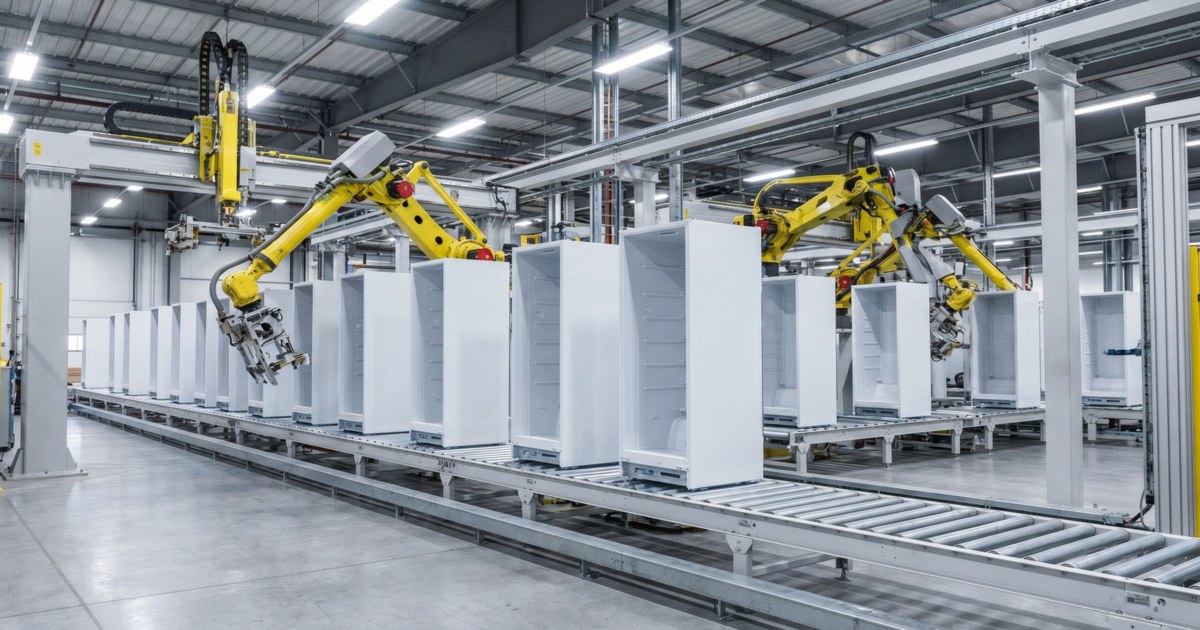
GE Appliances, owned by Haier, announced a five-year $3 billion US manufacturing investment, the company's second-largest ever, with expansions in South Carolina, Tennessee, and Georgia.

Merino Energy launched the Merino Mono in April 2026, a plug-in heat pump the company says installs in under an hour with no 240V service or refrigerant handling, flat-priced at $3,800 including installation.

The California Heat Pump Partnership published its first large-scale blueprint in March 2025, warning that at the current pace the state will miss its 6 million unit target by 2 million.

TECH Clean California confirmed the single-family HEEHRA program, worth up to $8,000 per project, was fully reserved statewide as of February 24, 2026. All new requests are waitlisted.

The California Energy Commission's 2025 Building Energy Efficiency Standards became enforceable January 1, 2026, making heat pumps the prescriptive baseline for most new construction.

CPSC announced a recall of 433 Fisher & Paykel RGV3 pro-style gas ranges on April 16, 2026, after 18 incidents of delayed ignition causing combustion events that forced the oven door open.

Carrier's Climate Solutions Americas residential business fell 38% in Q4 2025 on distributor destocking, while North American data-center orders surged about 400% year over year and the company guided data-center orders up roughly 50% for full-year 2026.

Most shop owners only hire after a tech quits or a truck sits idle. Trainers and California shop owners explain what a real recruiting pipeline looks like — and why it almost never starts with a bigger ad budget.

Two California Energy Commission JA18-certified control-sequence libraries are now on record — Carrier i-Vu and Automated Logic WebCTRL, both effective Feb 20, 2026, and both Carrier-owned — about two months into the 2025 Title 24 code cycle.

At AHR Expo 2026, Daikin showed the NEXIO MAX three-tier inverter rooftop line on R-32 and a 2,000-3,000-ton Magnitude chiller aimed at California's hyperscale AI buildout.

Energy Secretary Chris Wright postponed seven Biden-era appliance rules in February 2025. A year on, Congress has used the Congressional Review Act to repeal four of them outright. Here's what's actually law for installers now.

The distributor reported a full-year gross margin of 28.0%, up 120 basis points, despite softer equipment unit volumes. It also closed three Sunbelt acquisitions and raised its dividend to $13.20 a share.

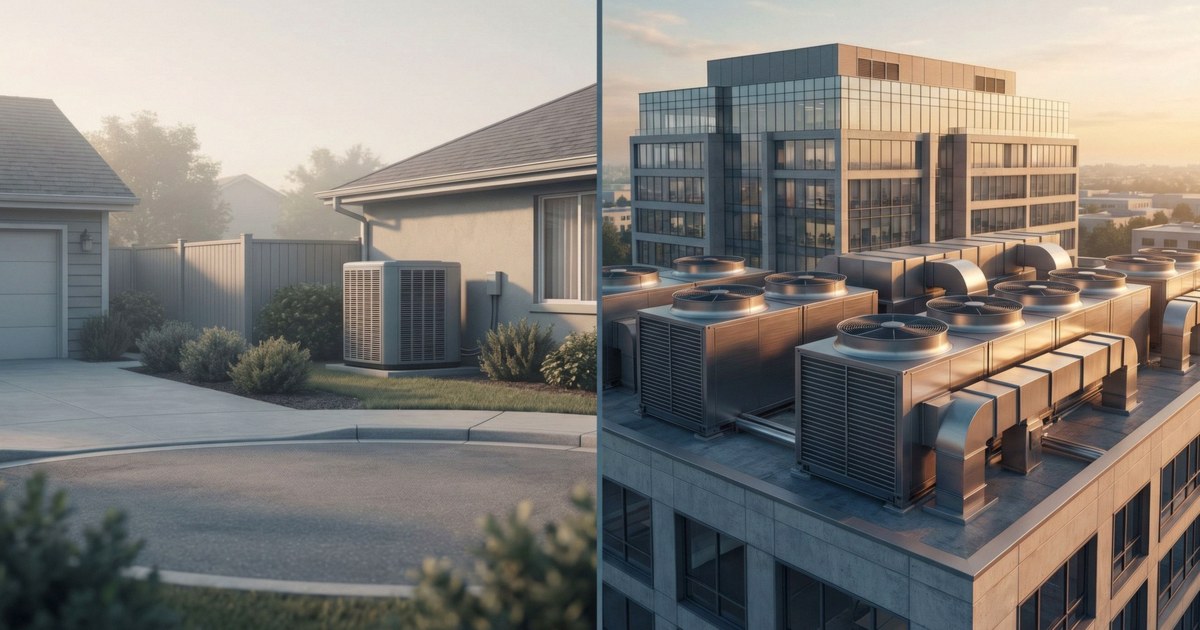
Revised steel, aluminum, and copper tariffs push the effective rate on Mexican-made HVAC equipment from about 8% to nearly 25%, ACCA said, with the hit landing right before cooling season.

AHRI's February 2026 report shows the biggest February heat pump gain since 2021, while standalone air conditioner shipments slipped 4.2% to 328,145 units.

Carrier submitted its full i-Vu automation library to the CEC on December 19 targeting early-2026 certification under Title 24's new JA18 control-logic mandate.

CARB picked Hudson Technologies as one of two reclaimers for the state's first refrigerant-recovery incentive, funded up to $5M ahead of the 2030 R-410A sales ban.

Blackstone's perpetual-capital strategy BXPE is acquiring the Irvine-based HVAC, plumbing, and electrical platform from Odyssey Investment Partners. Terms were not disclosed; press reports peg the deal near $2.5 billion.

Cost per lead and cost per customer are not the same number. Contractors moving booking rates from 45% to 65% cut acquisition costs by $62 per job — without spending another dollar on ads.

A March 20 complaint in Michigan federal court alleges Bosch, Carrier, Trane, Lennox, Daikin, Rheem, and AAON coordinated price hikes using COVID, SEER2, and A2L rules as cover.

There is no single DOE 2027 standards package. The real changes are a 2028 furnace rule (AFUE 95%) and a 2029 water heater rule (heat pump tech for larger electric tanks). Here's what's actually final, when each takes effect, and how service shops should prepare.

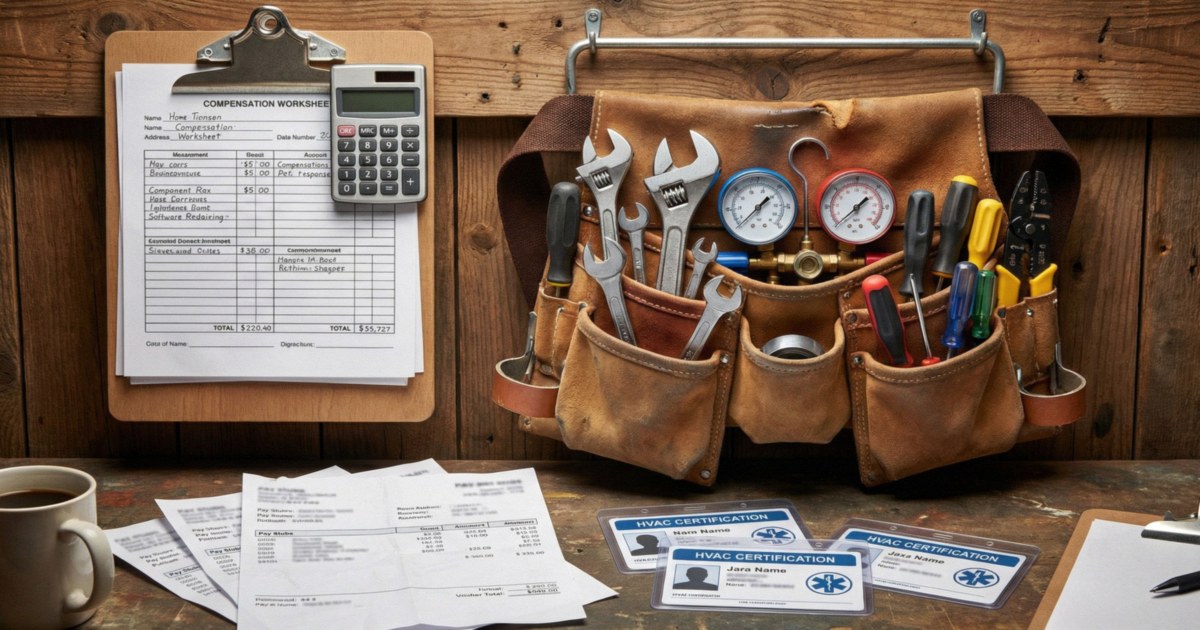
We combined published BLS and California wage data with an informal poll of 140 ServiceMag readers to sketch the 2026 California tech compensation picture — hourly rates, commission structures, certification premiums, and how metro area affects the numbers.

What started as a Southern California trade publication now serves appliance repair and HVAC professionals in all 50 states. Here's what's changing and what's coming next.

The nonprofit organization is accepting speaker proposals through April 20 for its annual conference, Built for Speed, set for Sept. 26–30.

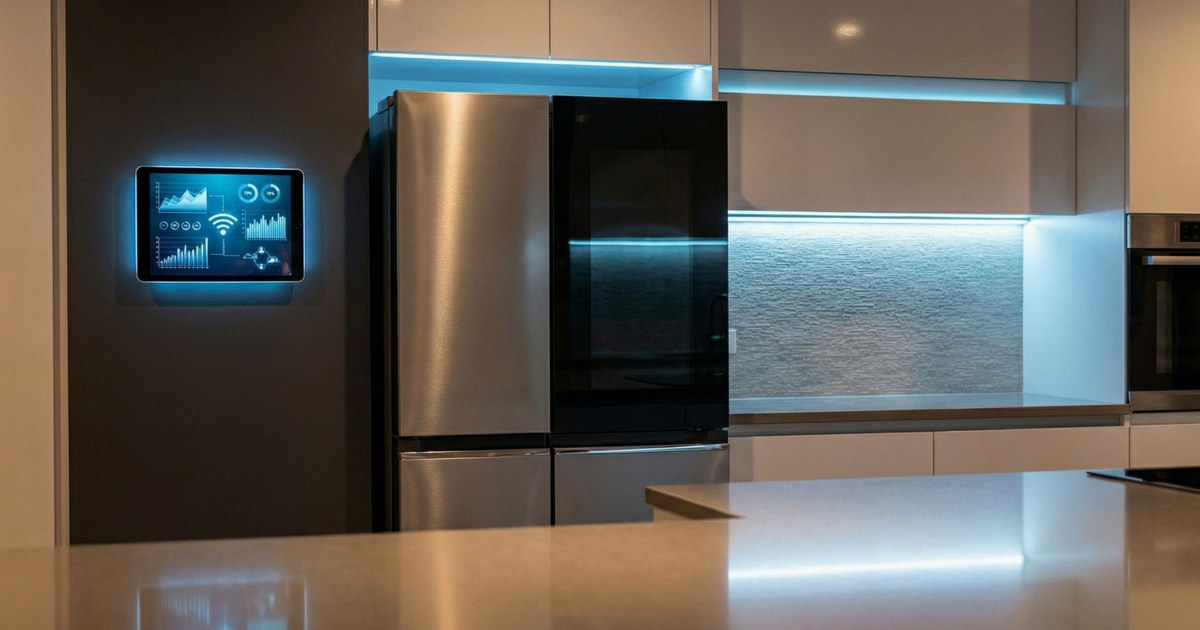
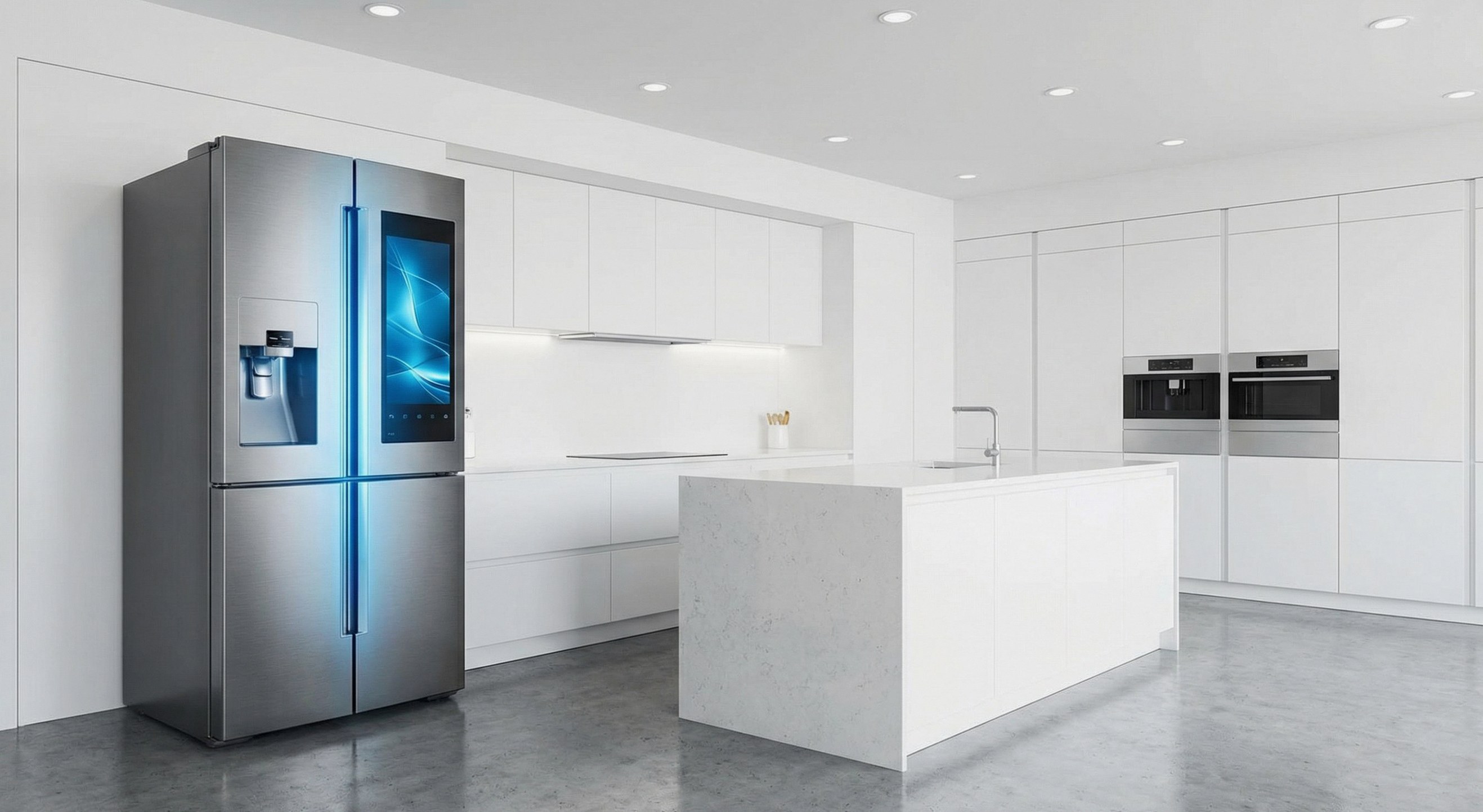
Wi-Fi connectivity, manufacturer apps, and smart home integration are now standard on most appliances. For service professionals, that means a new category of diagnostic work — and a new revenue opportunity.

SB 244 took effect July 1, 2024. Manufacturers must now provide parts, tools, and documentation to independent repair shops. The law's practical impact is becoming clear — and it's not simple.

We're adding a new section to ServiceMag: hands-on reviews of the software tools that HVAC and appliance repair contractors actually use to run their businesses. No ads, no affiliate deals — just honest assessments from people who've used the stuff.

The House passed HR 4626, the Home Appliance Protection and Affordability Act, curbing the DOE's authority to tighten appliance efficiency standards. A separate ASAP/ACEEE study found existing standards saved households $6,000 over the past decade.

Smart appliances can now detect failing components before they break down outright. Here's what AI-driven predictive maintenance means for repair businesses.

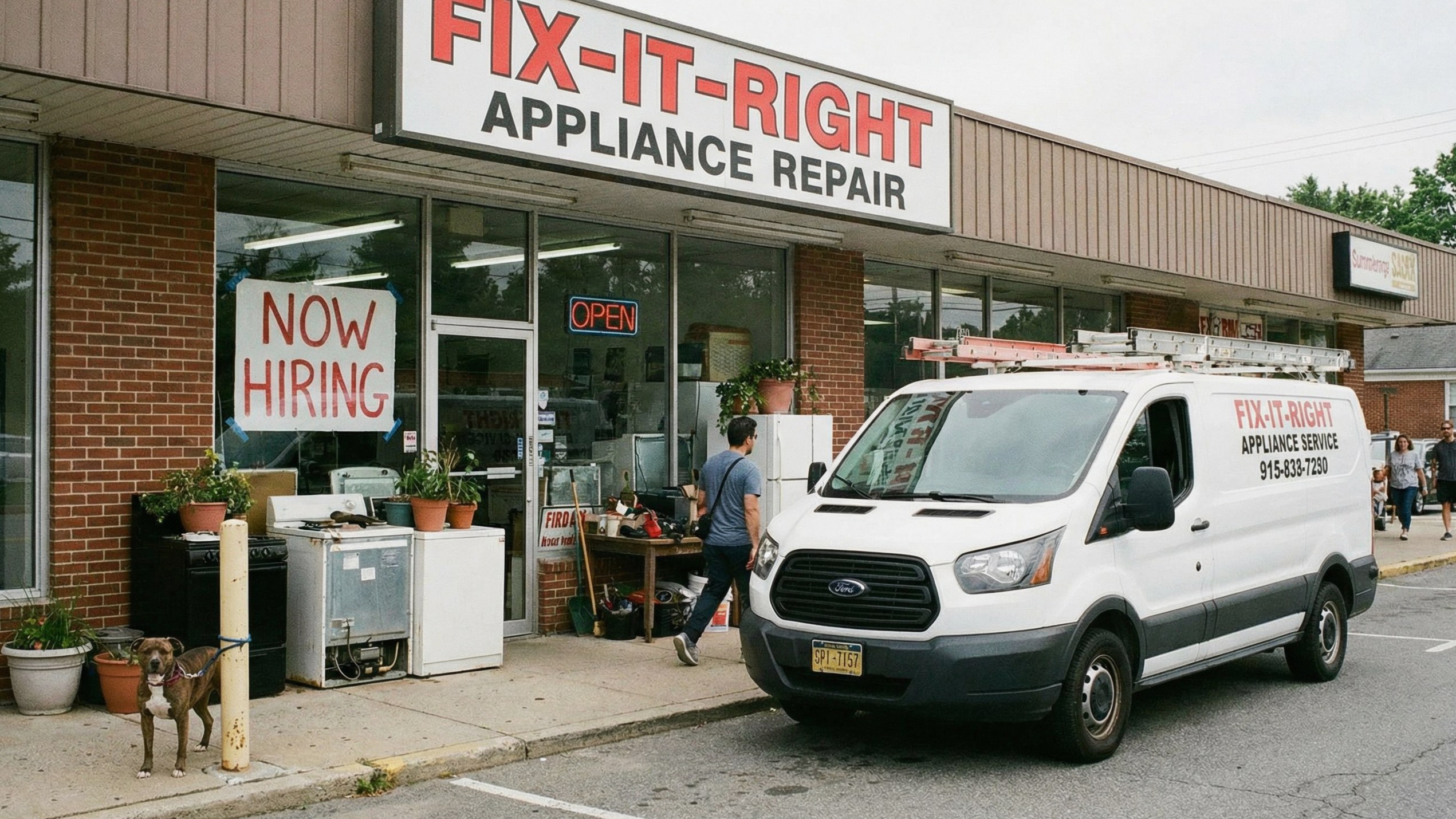
The $7 billion appliance repair industry is struggling to staff its trucks as an aging workforce retires faster than new hires arrive. Smart appliance complexity is compounding the problem.

The EPA says it won't prioritize enforcing the January 2026 R-410A installation prohibition while it reconsiders the rule. But the AIM Act's leak-management requirements now kick in at a 15-pound charge, catching many more systems.

Colorado, Nevada, and Washington right-to-repair provisions took effect January 1, putting more than a quarter of Americans under repair protections. The federal Fair Repair Act was introduced in February. Independent repair shops are gaining legal access to parts and diagnostics.

Manufacturers shipped 3.6 million heat pumps versus 3.2 million gas furnaces in 2025, widening a sales gap heat pumps have held for several years running. Federal tax credits up to $2,000 fueled demand before expiring at year-end.

A 15% surcharge on most imports plus 50% steel and 25% derivative duties are pushing appliance prices higher. Consumers are weighing repair over replacement more closely than ever.

Starting January 1, 2026, California landlords must provide a functioning stove and refrigerator in every rental unit. Recalled appliances must be repaired or replaced within 30 days.

LG recalled about 500,000 electric ranges because front-mounted knobs can be turned on accidentally by people or pets. Samsung issued a similar recall affecting more than 1.1 million units.

Electrolux has recalled over 180,000 Frigidaire gas ranges after 62 reports of delayed oven ignition causing sudden flame bursts. Here's what technicians need to check.
Smart appliance diagnostics spent years as a marketing gimmick. The latest versions of SmartThings and ThinQ are finally producing data that saves real diagnostic time, but the gap between promise and reality is still wide.
R-410A production allowances have been cut to 60% of baseline since 2024, prices have nearly doubled since 2024, and every new residential system now ships with a next-gen refrigerant. The transition is no longer theoretical.

This article has been retracted following an editorial review of its sourcing and factual accuracy.