


6 Money Lessons I Wish I'd Known Before Starting a Repair Business
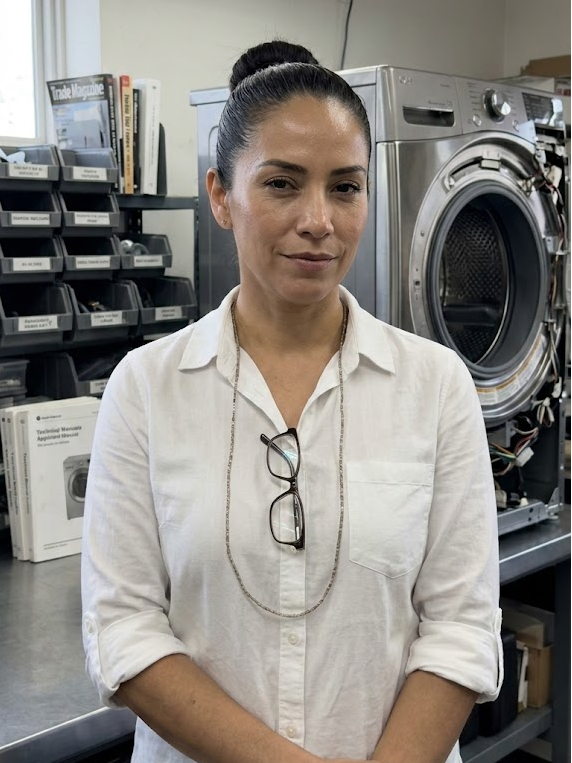
Maria Solano
Former appliance warranty claims adjuster turned investigative repair journalist. Maria's 'What Went Wrong' teardown series has made her the most feared woman in the white-goods industry.

Nobody hands you a finance manual when you buy your first van and hang out a shingle. You learn the money side the expensive way — one late invoice, one blown transmission, one December with no calls at a time. The technical work is the part most owners are good at. The cash is the part that sinks them. Here are six money lessons that would have saved me a lot of grief in the early years of running a repair business, learned mostly by doing the opposite first.
1. Cash is king, and slow cash will kill a profitable shop
You can be profitable on paper and still go broke. It happens when the money you've earned is sitting in other people's pockets. A repair business lives and dies on how fast invoiced work turns back into cash in your account.
Start collections the day after an invoice is due. Not next week. The day after. A quick, polite nudge (a text, a call, a resent invoice) tells the customer you actually track this, and most people pay a business that clearly pays attention. The ones who slide 60 and 90 days out are the ones who slide because you let them.
2. Keep about three months of revenue in reserve
The first hard winter taught me this one. Calls dry up, the phone goes quiet, and payroll doesn't care that it's slow.
Build a cash reserve equal to roughly three months of operating revenue and keep it somewhere separate, in a high-yield savings account or a short ladder of CDs, not your everyday checking where it'll get spent by accident. The point isn't to earn a return. The point is that when the compressor in your best van gives out, or a slow season stretches long, you reach for your own money instead of a credit card at 24%.
Here's a simple way to set the target. Add up what it costs to run the business for one month: payroll, rent, insurance, software, truck payments, the works. Say that's $40,000. Multiply by three. Your reserve target is $120,000. You won't get there in a month. Set it as a goal, sweep a fixed percentage of every deposit into the reserve account, and let it build. A shop with three months in the bank makes calmer decisions than one living deposit to deposit.
3. Negotiate everything, because every dollar saved is margin
New owners treat their bills like fixed facts of nature. They're not. Almost everything you pay is negotiable, and the savings drop straight to the bottom line.
Ask your parts supplier for better terms: net-30 instead of cash, a volume discount, a rebate at year end. Shop your van lease. Re-quote your general liability and commercial auto every renewal instead of letting it auto-increase. Call your software vendor and ask what they can do before you renew. None of this is glamorous, and some of it feels awkward the first time. Do it anyway. A few hundred dollars a month in negotiated savings is a few hundred dollars of pure margin you didn't have to sell another job to earn.


4. Sales activity never stops, even when you're slammed
The trap is obvious in hindsight. You get busy, so you stop hustling for work. Then the busy stretch ends, the pipeline is empty, and you're scrambling. Feast and famine, on repeat.
Keep the outreach steady no matter how full the schedule looks. Ask every happy customer for a review. Follow up on last year's maintenance visits. Keep the Google profile fresh, answer the phone like you need the job, stay in front of past customers. Relentless, boring consistency in sales and follow-up is what flattens the feast-and-famine cycle into something you can actually plan payroll around.
The owners who never see a truly dead month aren't lucky. They just never let the outreach stop, even during the good stretches when it feels unnecessary. That discipline is the whole difference.
5. Know your true job costs before you price anything
I underpriced for two years because I priced off what the shop down the road charged. I had no idea what a job actually cost me to run, so I had no idea if I was making money on it. Turned out, on some jobs, I wasn't.
Before you set a price, build up the real cost of a job: the tech's fully loaded labor (wage plus payroll taxes, plus insurance, plus the non-billable time), the part at your true cost, the truck and fuel to get there, and the slice of overhead every job has to carry. Only once you know that number can you price for a margin that's actually a margin. Pricing off a competitor is pricing off their guesses.
If you want to go deeper on the mechanics, our guide to pricing appliance repair in Southern California walks through building a rate from the ground up.
6. Separate business and personal money, and pay yourself on purpose
For too long I ran everything through one account and "paid myself" by taking whatever was left. Some months that was nothing.
Open a dedicated business checking account and card on day one and keep every business dollar on that side of the wall. It makes your books legible, your taxes survivable, and (most important) it shows you whether the business is actually making money or just moving it around. Then pay yourself a real, scheduled draw or salary, the same way you'd pay any employee. An owner who takes only the scraps has no way to tell a struggling business from a healthy one that's just leaking cash. Paying yourself on purpose forces the business to stand on its own.
Six lessons, and every one of them cost me something to learn. If you're just getting started, our guide to starting an appliance repair business in California covers the setup side. This piece is about the part they don't warn you about: the money doesn't manage itself, and profit on paper is not the same as cash in the bank.