


Americans Are Repairing Appliances Instead of Replacing Them, and Whirlpool's Q1 Proves It
Terry Okafor
Master refrigeration tech and NATE-certified instructor who moonlights as the magazine's advice columnist. His 'Ask Big Terry' mailbag has been settling shop disputes and diagnosing mystery leaks since 2011.
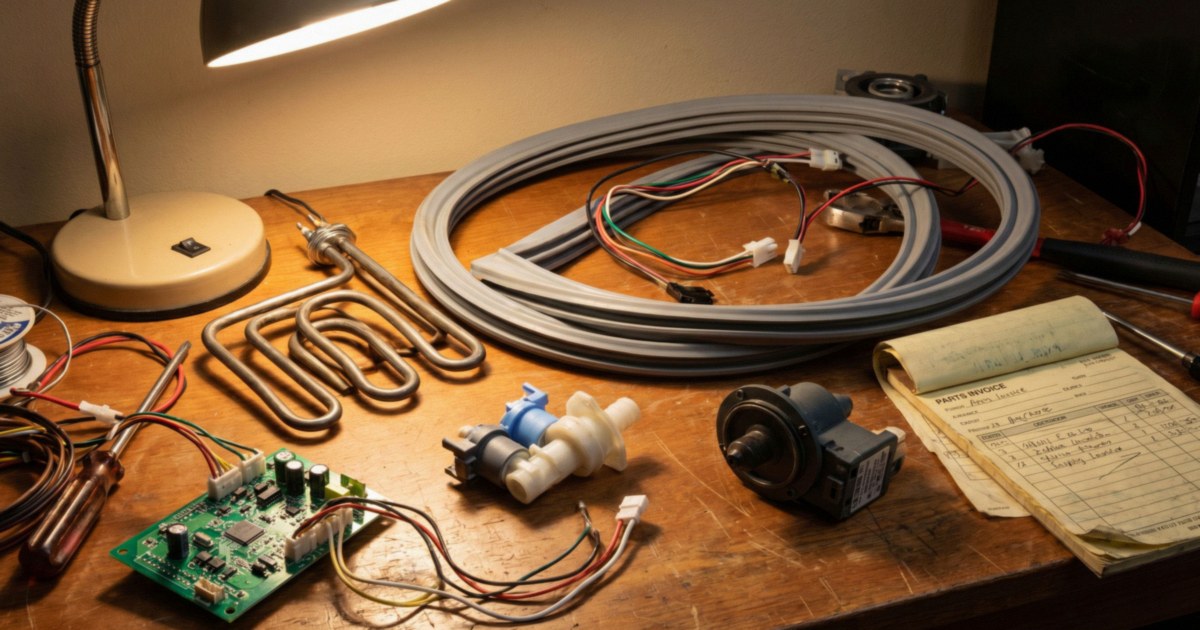
The bright spot in Whirlpool's first quarter wasn't a washer launch or a margin win. It was spare parts. Axios reported on May 7 that Americans, squeezed by weak consumer sentiment and a frozen housing market, are fixing the appliances they already own instead of buying new ones.
"One of the strongest businesses which we had in Q1 was actually our spare parts and repair business," said Marc Bitzer, Whirlpool's chairman and CEO, on the company's earnings call. "Consumers are holding back, replacing products and rather repairing it."
The numbers around that quote are grim for manufacturers. U.S. appliance industry demand fell 7.4% in the first quarter, with March alone down 10%. Discretionary purchases, the remodel buys and upgrade splurges, dropped roughly 15%. Replacement demand, which Bitzer pegged at more than 60% of the industry, held up. People still need a working fridge. They just don't need a new one.
Whirlpool's North America net sales came in at $2.2 billion, down 8% from a year earlier, and the quarter was rough enough that the company suspended its dividend.
Axios traced the squeeze to two pressures. Elevated interest rates make financing an $1,800 refrigerator expensive, and a locked-up housing market removes the most reliable trigger for appliance purchases there is. Nobody's moving, so nobody's outfitting a new kitchen or laundry room.
A Demand Tailwind, With a Catch
For independent shops, this is national confirmation of what the past year of local call volume has been suggesting: the repair-over-replace shift is real, and it's big enough to show up in a Fortune 500 earnings call. The default that usually works against repair flips when money gets tight.
But read the Axios headline closely. Part of that parts surge is homeowners fixing their own machines with a YouTube video and an OEM pump. DIY takes the easy tickets, the door gaskets and fill hoses and dryer belts. It rarely takes sealed-system work, gas valves, or inverter boards. Position for the second category, and treat your diagnostic fee accordingly. Crediting it toward the repair keeps price-shoppers on the phone while filtering out the caller who only wanted free advice for their own fix.
Parts stocking deserves a hard look too. If national repair volume is strong enough to register in Whirlpool's earnings, distributors will feel allocation pressure on fast movers, and tariffs were already pushing many of the same components up 8-15% this year. Our guide on managing parts inventory covers the reorder math. The short version: common boards, pumps, and belts on your shelf today are cheaper than the same parts ordered in the fall.
Booking capacity is the quiet constraint. A demand tailwind pays nothing if calls roll to voicemail, and the shops that added a booking line or after-hours answering this spring are the ones converting it.
Bitzer told analysts he still expects an eventual housing recovery to lift new-unit demand. Until that happens, the repair economy is the appliance economy.
Need a repair professional?
Get free quotes from verified technicians in your area.
Find a Pro Near You