


Newsom Pumps $37.2 Million Into California Apprenticeships to Widen HVAC Technician Pipeline
ServiceMag Staff
ServiceMag editorial staff covering the appliance and HVAC trade.
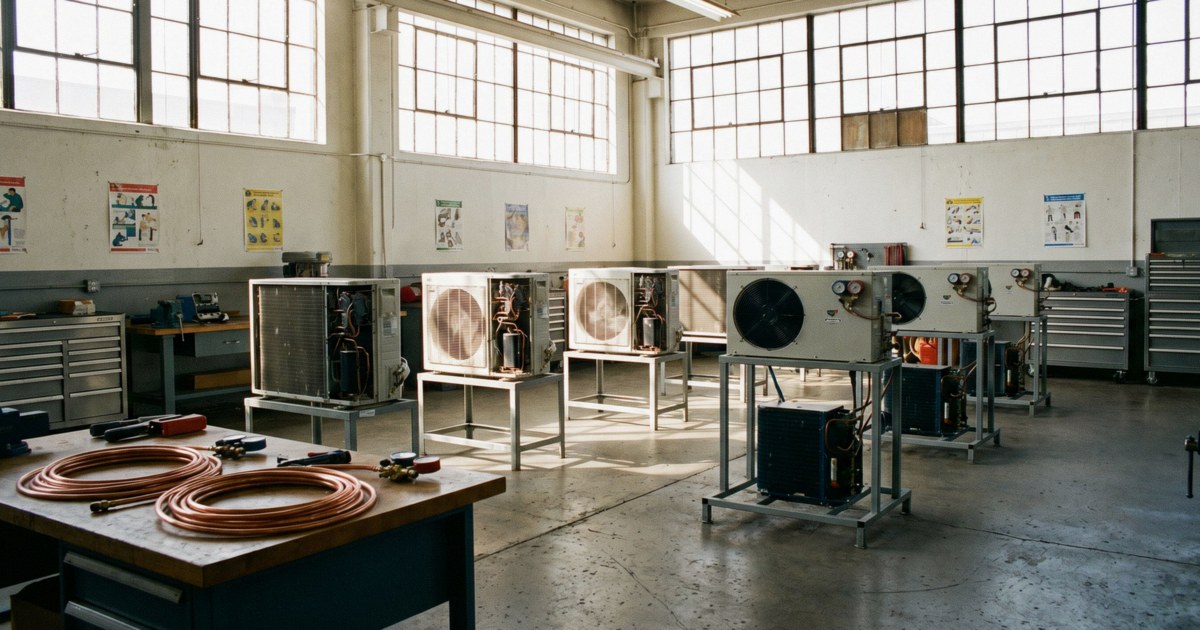
Gov. Gavin Newsom on April 9 announced a $37.2 million expansion of California's apprenticeship and workforce training system, with HVAC technicians named among the trades targeted for 60,000 new earn-and-learn slots. The money flows through the California Apprenticeship Council Training Fund and the High Road Training Partnerships program, and the package includes $18.6 million spread across 160 state-registered building trades programs.
HVAC gets called out by name alongside sheet metal workers, plumbers, and electricians in the grant language. That's meaningful. Previous state workforce rounds lumped HVAC under "construction" and contractors had to fight for a slice. This one names the trade directly. The demand backdrop is real: the California Employment Development Department projects that heating, air conditioning, and refrigeration mechanics and installers will grow 11.2% in California between 2022 and 2032, adding roughly 4,300 jobs on top of replacement needs as veteran techs retire.
Contractors are paying attention.
"Any dollar that pushes a kid toward a refrigerant gauge instead of a four-year degree is a dollar well spent," said a Southern California shop owner who's been running his own two-person apprentice pipeline for six years.
Where the Money Goes
The fund splits three ways. Roughly half of the $37.2M supports existing registered apprenticeships through per-apprentice grants that help offset classroom instruction costs. Another chunk backs new or expanding High Road Training Partnerships, which are regional consortiums that combine employers, community colleges, and unions around specific trade needs.
The rest funds outreach. California's Division of Apprenticeship Standards has been trying to pull in applicants from communities that historically didn't see the trades as a career ladder. The new dollars pay for program recruiters, paid pre-apprenticeship bridge programs, and childcare stipends for students who otherwise couldn't attend night classes.
For a small HVAC contractor, the practical upshot is that a registered apprentice now costs less to host. The grants reimburse participating apprenticeship programs for hands-on training costs and help fund equipment, curriculum, and instructor development, easing the per-apprentice burden on shops. Shops that aren't registered can still hire graduates from programs like the Western Electrical Contractors Association or local community college certificate tracks.


Why the Timing
Heat pump installs are climbing. Title 24's 2026 building code update leans harder on electrification. And the retiring-boomer wave that contractors warned about for a decade is now actually happening — replacement techs aren't showing up at the same rate as the ones hanging up their gauges.
The state's bet is that if you make the pipeline wider at the bottom, the shortage eases at the top. It's a slow fix. An apprentice hired today doesn't become a journey-level tech until 2030 at the earliest.
But it's a fix. And the trade has been asking for one.
See our coverage of the technician workforce shortage hitting 2026 and the 2026 California appliance salary survey for context on where shops are losing labor.
Sources
Office of Governor Gavin Newsom (2026, April 9). "Governor Newsom expands apprenticeships and workforce training for more than 60,000 Californians." gov.ca.gov
California Department of Industrial Relations (2026, April 9). News Release No. 2026-33. dir.ca.gov
California Employment Development Department, Labor Market Information Division. Long-term occupational employment projections (2022–2032), Heating, Air Conditioning, and Refrigeration Mechanics and Installers. labormarketinfo.edd.ca.gov