

The 2030 Repair Business: 5 Trends Appliance & HVAC Owners Should Bet On Now
Dale Resnick
A 30-year veteran of residential HVAC who's crawled through more attics than he can count. Dale writes the 'Duct Tape & Beyond' column and believes every compressor tells a story if you listen close enough.
Nobody running a repair shop has time to think five years out. You've got a schedule to fill and a callback to chase. But a few forces are already reshaping this business, and the owners who read them early will be the ones with the trained techs, the right tools, and the software in place when the rest of the field is scrambling. Here are five trends worth betting on now, and what each one actually means for a small appliance or HVAC shop.
1. Connected appliances turn the truck roll into a data problem
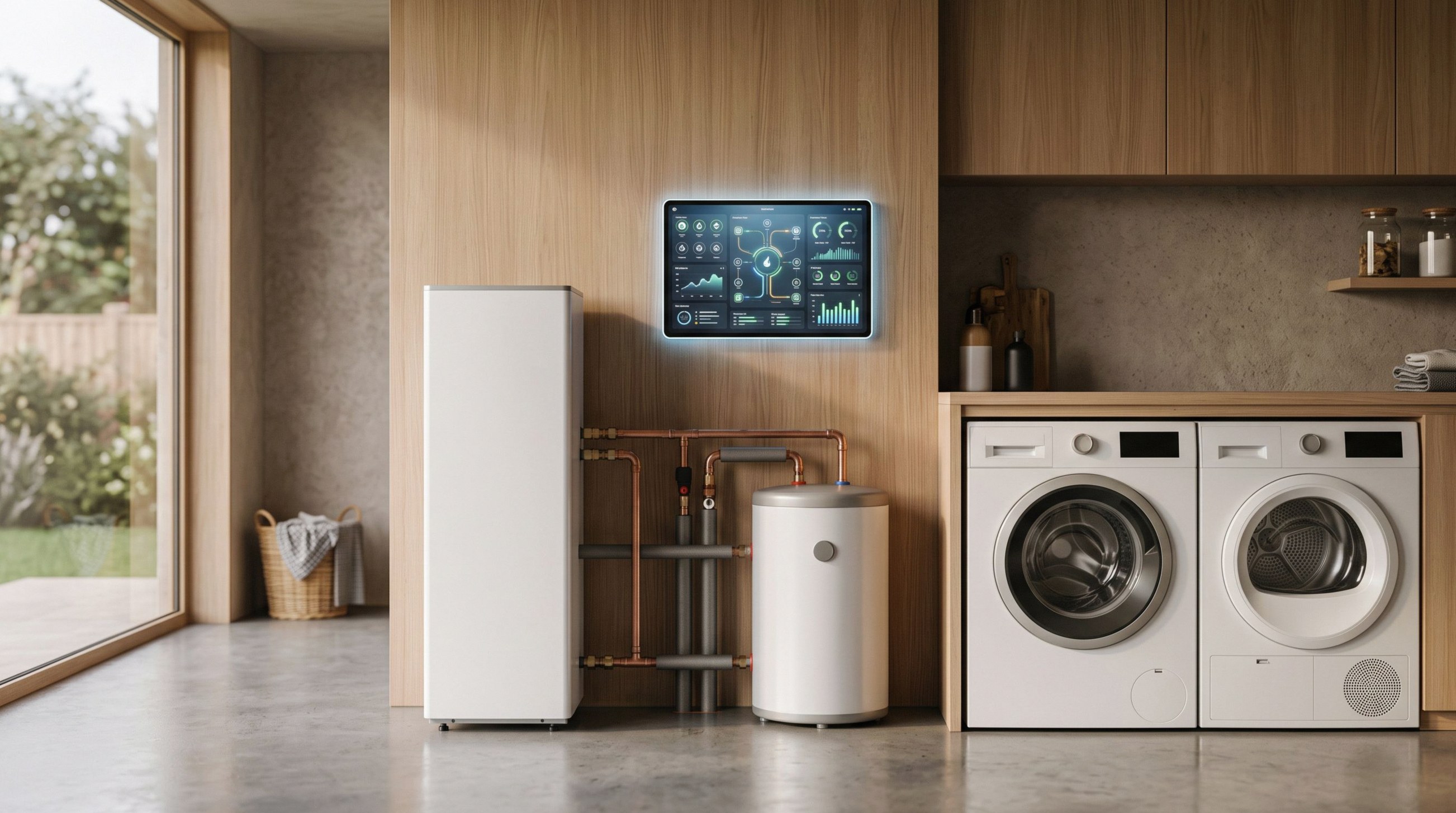
The appliance you'll service in 2030 is increasingly a computer that happens to cool food or move air. Smart fridges, connected HVAC systems, and Wi-Fi-enabled laundry already throw fault codes to an app and, in some cases, to the manufacturer.
For a repair shop, that cuts both ways. On the good side, service-mode data and remote diagnostics can tell you what's wrong before you load the van, which means the right part rides along on the first trip and your callback rate drops. On the hard side, you'll need techs comfortable reading data, navigating service menus, and dealing with boards and sensors instead of just belts and bearings. The shops that build that muscle early will quote tighter and finish faster. Our reporting on how smart diagnostics are changing the service call digs into where this is already happening.
2. Electrification and A2L refrigerants reshape the service mix
The heating side of this trade is shifting under your feet. Heat pumps keep taking share from gas furnaces, and that changes what your techs get called out to fix. A heat pump is a year-round machine with a reversing valve, defrost logic, and a variable-speed compressor. It's a different service conversation than a 20-year-old 80% furnace.
Layer on the refrigerant transition. The industry is moving off high-GWP R-410A (GWP around 2088) onto lower-GWP A2L blends like R-32 (675) and R-454B (466). A2Ls are mildly flammable, which brings new leak-detection requirements, new handling procedures, and new tooling. You'll be servicing a mixed fleet for years, old R-410A systems alongside a growing base of A2L equipment, and your techs need training on both. This isn't optional. It's the direction the equipment is going. See our coverage of heat pumps outselling gas furnaces for where the demand curve sits, and the homeowner-facing case in our guide to energy-efficient appliance upgrades.


3. The labor shortage forces you to build a pipeline, not just post a job
The single trend most likely to cap your growth is people. Experienced techs are aging out faster than new ones are coming in, and that pressure only tightens through the decade.
By 2030, "we'll hire when we're busy" won't work, because the good techs won't be sitting around waiting. The shops that thrive will be the ones that treat recruiting as a permanent function: a real apprenticeship path, relationships with local trade programs, paid certifications, and a culture young techs actually talk about. You're not competing on wage alone. You're competing on whether a 22-year-old can see a future at your shop. Build the pipeline before you need it, because when you need it, it's already too late.
4. Software and AI move from nice-to-have to table stakes
Dispatch, scheduling, customer texts, review requests, follow-ups. The back office of a repair shop is quietly getting automated, and the pace picks up as AI tools mature.
You don't need anything exotic to start. Call tracking, automated appointment reminders, and a scheduling system that stops calls from dying in voicemail already pay for themselves in booked jobs. From there, AI is creeping into routing, demand forecasting, and first-line customer communication. The owners who get comfortable with solid software now will absorb the smarter tools naturally as they arrive. The ones still running the schedule on a whiteboard in 2030 will feel it in their booking rate.
5. Right to repair widens the door — walk through it
The right-to-repair movement keeps gaining ground, with more states passing laws that push manufacturers to make parts, manuals, and diagnostic tools available beyond their authorized networks.
For an independent shop, that's mostly good news. Wider access to genuine parts and real service documentation means you can fix more brands, more models, and more of the connected gear from trend number one without being locked out by the OEM. It also raises customer expectations that things should be repairable, which is the whole premise of your business. Watch how the rules land in your state and lean into being the shop that can actually get the part and the manual. Our running coverage of right-to-repair laws in 2026 tracks where this is headed.
None of these five trends is a prediction of doom, and none requires a big check today. They're a direction. Train for the data and the A2Ls, build the hiring pipeline before it's urgent, automate one thing at a time, and position yourself to fix what the right-to-repair laws are opening up. Do a little of that each year and the 2030 version of your shop is one you'd actually want to own.