


Sell the Repair, Not the Replacement: A Consultative Playbook for the 2026 Customer
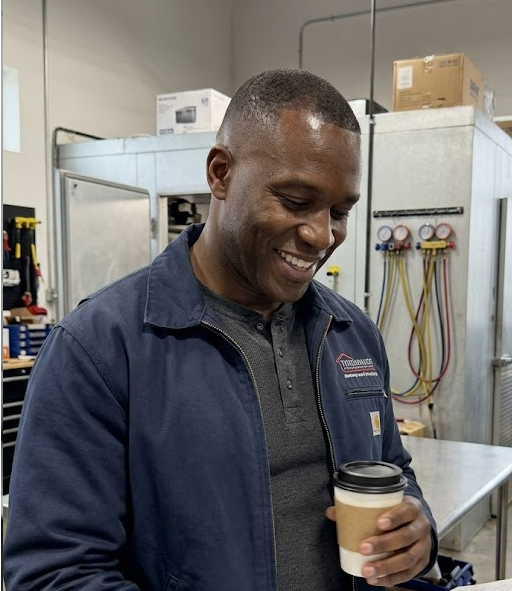
Terry Okafor
Master refrigeration tech and NATE-certified instructor who moonlights as the magazine's advice columnist. His 'Ask Big Terry' mailbag has been settling shop disputes and diagnosing mystery leaks since 2011.

The customer standing over a broken dryer in 2026 has already Googled the part, priced a new unit at three retailers, and read six Reddit threads before you rang the bell. They're cost-conscious, skeptical, and braced to be upsold. The technician who wins that customer isn't the one with the slickest replacement pitch. It's the one who sells the repair when the repair is the right answer, explains the math out loud, and lets the customer make the call. Do that consistently and you stop competing on price, because you've become the shop people trust.
This isn't charity. It's the highest-return sales strategy in the trade, and it works precisely because it doesn't feel like selling.
Why Honest Repair-vs-Replace Advice Wins
Think about the two customers you create with a single service call. Push a marginal customer into a replacement they didn't need, and you booked a bigger ticket and a person who will quietly suspect you the moment anything else goes wrong. Talk that same customer through a $220 repair that buys three more years, and you booked a smaller ticket and an advocate.
The advocate is worth more. They call you first next time. They hand your number to a neighbor. They leave the review that says "he could've sold me a new one and he didn't." That review does more marketing than anything you'll pay for.
Cost-conscious buyers are especially tuned to this. When money is tight, people remember who saved them some. The shop with a reputation for fixing things instead of replacing them gets the calls in a soft economy, which is exactly when you need the calls.
The Framework: Age, Cost, Safety, Parts
A consultative recommendation runs through four gates. Walk them in order and the right answer usually presents itself.
Age against expected life. Every appliance class has a rough service life, and every tech knows the ranges. A unit in the first half of its life is a repair candidate almost by default. Past the midpoint, the calculus tightens. Our guide on when to repair or replace an appliance breaks the typical lifespans down by appliance type.
The 50% rule. If the repair costs more than roughly half the price of a comparable new unit, replacement enters the conversation. Combine it with age: a repair worth half the replacement cost is fine on a young premium machine and a bad bet on an old builder-grade one.
Safety. Some failures aren't about money. A cracked heat exchanger, arcing wiring, a gas issue you can't fully resolve. When safety is on the table, the recommendation is replacement, full stop, and you say so plainly.
Parts availability. A perfect repair plan collapses if the control board is discontinued. On older or orphaned models, check availability before you promise a fix. Telling a customer the part exists when it doesn't is how a good visit becomes a callback and a refund.
Keep a rough replacement-cost range for the ten appliance types you service most on your phone. When a customer asks "what's a new one run?" you answer in five seconds with a real number, and your repair recommendation instantly has context. Vague answers read as evasive. Specific ones read as expertise.


Scripting the Consultative Conversation
The conversation has a shape. Diagnose, present both paths with numbers, give your honest recommendation, then stop talking and let them decide.
Here's the structure in practice. You've found the problem. You say:
"Okay, here's what's going on. The [component] failed. I can fix it today for about [repair price], and on a unit this age that should buy you [realistic timeframe]. A comparable new one runs about [replacement range] installed. If it were mine, given [age / condition / what else I'm seeing], I'd [recommendation]. But it's your call, and I'm good either way."
Notice what that script does. It gives a real repair number and a real replacement number. It states how much life the repair buys, honestly, without overpromising. It offers a recommendation framed as "if it were mine," which customers trust more than "you should." And it ends by handing them the decision.
What it doesn't do is hedge, oversell, or bury the replacement option because it makes less money. The transparency is the sale.
When Replacement Genuinely Is the Right Call
Selling the repair doesn't mean fighting for every repair. Sometimes the honest answer is a new unit, and delivering that answer well is its own trust-builder.
Recommend replacement when the repair cost crowds replacement cost, when the machine is old enough that fixing one component just moves the failure to the next one, when parts are gone, or when there's a safety problem you can't cleanly resolve. In those cases, "I could fix this, but I wouldn't spend your money that way" is one of the most powerful sentences you can say. It proves your repair recommendations mean something, because you're willing to walk away from a job.
The table is a guideline, not a verdict. A customer who loves a discontinued vintage unit and understands the risk gets to make that choice. Your job is to give them the honest picture, not to decide for them.
Where Warranties and Referrals Fit
Two threads tie the strategy together.
First, the warranty question. Cost-conscious customers often ask whether an extended warranty or service plan is worth it on a repaired unit or a new one. Have a straight answer ready, and be as honest there as you are on repair-vs-replace. Our breakdown of whether extended appliance warranties are worth it gives you the numbers to answer without hand-waving. A tech who tells a customer when a warranty is a waste of money earns the same trust as one who tells them when to repair.
Second, referrals. Transparency is the engine of word-of-mouth in this trade. Nobody refers a shop because it was cheap. People refer the shop that treated them fairly when it could have padded the bill. Every honest repair-or-replace conversation is a referral you haven't collected yet.
Sell the repair when the repair is right. Recommend the replacement when it isn't. Say the numbers out loud, give your honest read, and let the customer choose. That's not a soft strategy. In a market full of skeptical, cost-conscious buyers, it's the hardest edge you've got.
Need a repair professional?
Get free quotes from verified technicians in your area.
Find a Pro Near You