


Washing Machine Lifespans Have Dropped 45% — But Planned Obsolescence Isn't the Villain
Maria Solano
Former appliance warranty claims adjuster turned investigative repair journalist.
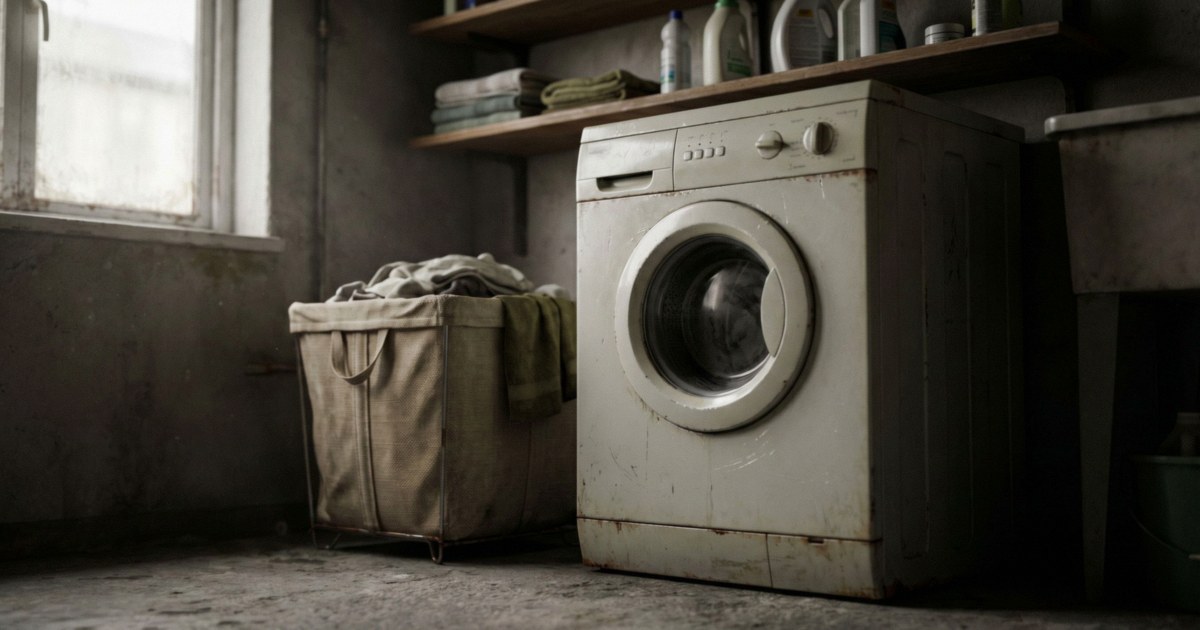
A Journal of Industrial Ecology paper published in 2025 took a look at 70-plus years of Norwegian household records and reached a conclusion that repair pros will want in their back pocket. Washing machine lifetimes dropped from 19.2 years to 10.6 years. Ovens fell too, from 23.6 years to 14.3. Refrigerators, freezers, dishwashers, and dryers? Essentially flat across the same span.
That last sentence is the one customers rarely believe.
The usual theory goes something like this: manufacturers figured out how to build appliances that fail right after the warranty. The paper looks at that claim directly and finds almost no evidence for it. What the authors did find was a 45% drop in washer lifespan tracking tightly with one number that kept climbing year over year.
Laundry cycles per household roughly quadrupled since 1960. More clothes, more wash settings, more loads for kids' sports uniforms and the kind of activewear that needs washing after every use. A machine rated for 2,000 cycles that used to see 150 a year now sees 600. Same machine. Different math on its calendar lifespan.
What's really wearing them out
Remodeling culture is the other driver. Kitchens and laundry rooms get gutted every 10 to 15 years now in much of the developed world, and perfectly functional appliances go to the curb because they don't match the new cabinets. Norway's data shows this pattern clearly — units replaced well before failure, logged as "discarded" rather than "broken."
That matters for pros fielding the "they don't make 'em like they used to" complaint. It's partly true. But the cause is usage and lifestyle, not a factory conspiracy. Cue that conversation next time a customer is blaming the brand for an 11-year-old washer that ran nearly every day.
When a customer brings up planned obsolescence, ask how often they run the machine. A household doing 8 to 10 loads a week is putting roughly 500 cycles a year on the drum. Even a solid 2,500-cycle rated machine will struggle past year five under that load.
The ovens story is different. Shorter lifetimes there track with the move from simple bake-only units to convection, double-cavity designs with more electronics and control boards. More parts means more failure points. Anyone who has replaced an oven control board in the last decade knows the drill.
Refrigerators held steady because the core compressor technology, once variable-speed inverters settled in, is genuinely durable. Same story for dishwashers and dryers. They get used frequently but the mechanical stress per cycle is lower than a washer spinning out a saturated load.


What to tell customers
There is a real argument for buying repairable machines and keeping them longer. The paper doesn't dispute that. It just reframes who the villain is, which turns out to be "us." Customers setting expectations of 20-year washer life should understand their own usage. Pros quoting repair vs replace should point out that a sound 7-year-old machine with a failed control board or drum bearing is often worth fixing at today's replacement prices.
There's also a business angle worth thinking about. The appliances that did maintain long lifespans are the ones with the biggest installed base for service calls over the next decade. Fridges and dishwashers will keep generating repair revenue for years. Washers and ovens will turn over faster.
For related coverage, see AI diagnostics in the service call and the ongoing right-to-repair rollout.
Source
Krych, K., & Pettersen, J. B. (2025). "Long-term lifetime trends of large appliances since the introduction in Norwegian households." Journal of Industrial Ecology, 29(2). https://doi.org/10.1111/jiec.13608
Need a repair professional?
Get free quotes from verified technicians in your area.
Find a Pro Near You