


ENERGY STAR Moves to DOE Under Plan Finalized Aug. 28
ServiceMag Staff
Reporting and editorial coverage from the ServiceMag newsroom.
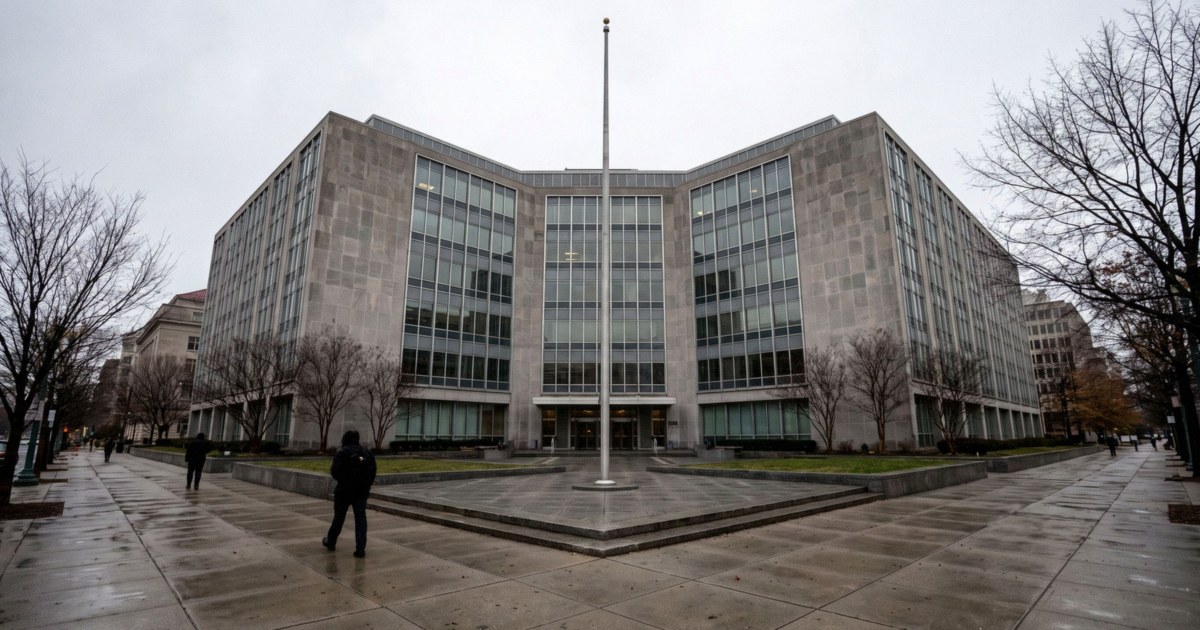
EPA and the Department of Energy finalized the 2026 ENERGY STAR Program Transition Plan on Aug. 28, putting DOE in charge of the label that contractors sell against and that utilities key their rebates to. The plan sets a 12-month clock: both agencies committed to "fully complete this transition no more than twelve months after the finalization of this plan."
The change itself is older than the plan. A joint Memorandum of Agreement signed March 3, 2026 already named DOE the lead federal agency, effective June 1, and required a transition plan within 90 days. This document is that plan.
Three workstreams carry the job. One hands knowledge and programmatic leadership to DOE. Another covers the legal transfer of the ENERGY STAR trademark, the partnership agreements EPA holds on its own, and ENERGY STAR agreements with foreign governments. Then there is the IT systems and data piece, which the plan flags as the slowest of the three.
What the ENERGY STAR Transition Changes for Contractors
Specifications, certification bodies and qualifying product lists are not being rewritten as part of the handoff. This is an operations document. But it states that "DOE will lead future ENERGY STAR program updates and will continue to consult with stakeholders as needed," which means the agency that decides whether a heat pump specification tightens in 2028 is no longer the one that wrote the current one.
Ownership of the marks hasn't moved yet. EPA and DOE were to finalize a separate Trademark and Agreement Transfer Plan by Sept. 1, 2026, and the plan states that "transfer of control of the trademarks from EPA to DOE will not occur until after the Trademark and Agreement Transfer Plan is finalized, with the transfer date to be specified as part of the plan." Until then the marks stay with EPA. DOE takes over registration, monitoring and enforcement in both the United States and Canada. That separate transfer plan will set the date the label legally changes hands, and the date was not public when this plan was finalized.
Most partner agreements are already established with both EPA and DOE, according to a footnote, and only a small percentage are EPA-only and need modification.
IT is the long pole. The plan says transferring the hosting of ENERGY STAR IT systems "will take the longest amount of time" and targets completion before July 2027. That covers the ENERGY STAR website, ES Connect, Portfolio Manager, the Product Finder, the Incentive Management Platform, the help desk and the unit shipment data. EPA also transfers the energystar.gov domain registration and the program's social media accounts. Anyone who pulls qualifying model numbers out of Product Finder for a rebate submittal should expect some URL churn between now and then.


The Stakes Both Agencies Wrote Into the Plan
The document puts numbers on who depends on the label: 1,500 manufacturers, 1,200 retailers, 840 utilities and "$100 billion in private markets that depend on ENERGY STAR to save the equivalent of 13 percent of United States electricity use annually." Congress funded the program at $33 million for fiscal 2026, and the plan cites EPA's FY2026 appropriations, Pub. L. No. 119-74, as the source of money for transition activities. DOE takes financial responsibility for ongoing operation once EPA's obligation ends.
Industry reaction has been calm, partly because this is not DOE's first turn with the program. "The DOE previously managed Energy Star successfully, so we expect a smooth transition from EPA during this time," Janice Yglesias, executive director of the Fenestration and Glazing Industry Alliance, told Door and Window Market Magazine.
Each agency assigns a co-lead per workstream, the co-leads meet every two weeks for three months and monthly as needed for the balance of the 12 months, and they file progress reviews covering milestone status and unforeseen challenges.
For a contractor, the practical near-term change is mostly a matter of who answers the phone. The label keeps its meaning and its logo. The rest of the federal efficiency picture is moving faster than this transition is, with DOE already working through its own appliance efficiency standards rulemaking and a House vote to roll back several DOE standards still hanging over the 2027 compliance dates. Contractors quoting rebate-backed heat pump jobs have a closer problem in how state incentive money is holding up, since that is the money customers actually feel.
Buried further down the same to-do list are the ENERGY STAR arrangements with Canada, Switzerland and Japan, each of which has to be transferred, replaced or allowed to expire.
Sources
U.S. Environmental Protection Agency and U.S. Department of Energy. (2026). "2026 ENERGY STAR Program Transition Plan." Finalized Aug. 28, 2026. energystar.gov
Door and Window Market Magazine. (2026). "EPA, DOE Finalize Energy Star Program Transition Plan." Sept. 1, 2026. dwmmag.com
Utility Dive. (2026). "Energy Star gets full 2026 funding from Congress." utilitydive.com
Utility Dive. (2026). "House passes bills to weaken DOE's appliance efficiency program, repeal home rebates." utilitydive.com