

House Votes 217-190 to Roll Back DOE Appliance Efficiency Standards
ServiceMag Staff
ServiceMag editorial team
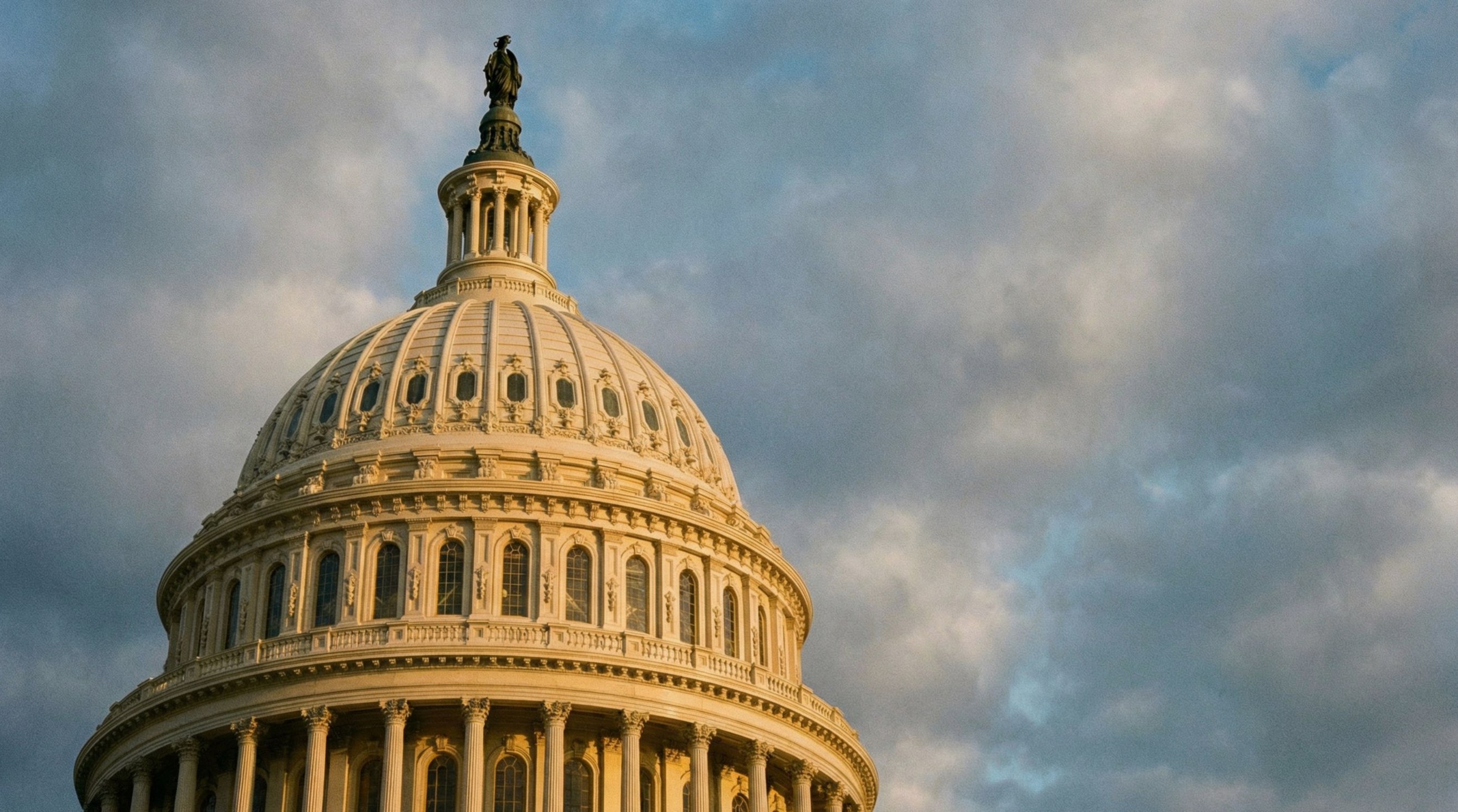
The House of Representatives passed HR 4626, the Home Appliance Protection and Affordability Act, on a 217-190 vote on February 24, 2026. The bill would curb the Department of Energy's authority to issue new or tightened minimum energy conservation standards for residential appliances, layering on additional cost-and-availability tests that any proposed standard would have to clear. The measure now heads to the Senate. Weeks earlier, a January 2026 study from the Appliance Standards Awareness Project (ASAP) and the American Council for an Energy-Efficient Economy (ACEEE) found that existing efficiency standards saved the typical American household roughly $6,000 over the past decade through lower energy bills.
The contrast isn't subtle. And for the appliance repair and HVAC industry, the practical implications cut in both directions.
What the Bill Does — and Doesn't Do
It does remove the DOE's statutory obligation to review appliance efficiency standards on a regular cycle and update them when technologically feasible and economically justified. Under current law (the Energy Policy and Conservation Act), the DOE must periodically evaluate whether standards for furnaces, air conditioners, water heaters, refrigerators, dishwashers, and other covered products should be tightened. This bill ends that requirement.
It does not repeal any existing standard. Current SEER2 minimums for air conditioners, AFUE requirements for furnaces, EnergyGuide labeling, and all other active standards remain in effect. Standards already finalized for the 2027-2028 window — including tighter SEER2 minimums for cooling equipment, a condensing-furnace AFUE floor, and updated water-heater requirements (see our DOE 2027 efficiency standards coverage for the specifics) — are not affected by this bill.
It does not prevent the DOE from voluntarily updating standards in the future. It removes the obligation, not the authority. A future administration could still propose and finalize new standards through the regular rulemaking process.
What the Research Shows
The January 2026 study from the Appliance Standards Awareness Project (ASAP), prepared with the American Council for an Energy-Efficient Economy (ACEEE), found:
- Existing appliance standards saved U.S. households an average of $6,000 over the past decade in reduced utility bills — savings the report puts at more than three times the increase in product purchase prices
- Without those standards, U.S. electricity consumption would have been roughly 14% higher in 2025, and businesses would have spent about $330 billion more on utility bills over the decade
- On a separate, longer horizon, DOE estimates (echoed by ACEEE and ASAP) that standards enacted since the 1987 National Appliance Energy Conservation Act will cut CO2 emissions by more than 7 billion metric tons cumulatively between 1987 and 2030
- The net economic benefit (savings minus higher appliance costs) is positive — consumers save more in energy costs than they pay in higher purchase prices
Supporters of the bill argue that efficiency standards increase appliance costs, limit consumer choice, and impose federal mandates on manufacturers. Opponents cite the DOE's own cost-benefit analyses showing positive net savings.


What It Means for the Repair Industry
Regardless of which side of the policy debate you're on, the practical takeaway is the same: plan for a longer tail of older, less efficient equipment in the field. That means more service calls on aging units, and less urgency for consumers to replace equipment that still technically meets federal minimums.
If the bill becomes law:
Manufacturers will have less regulatory pressure to redesign products for higher efficiency. That could mean fewer model transitions, longer production runs, and more parts commonality across model years. For repair businesses, that simplifies inventory and extends the useful service life of your existing technical knowledge.
It also means consumers face less incentive to upgrade. A homeowner with a 15-year-old SEER 13 central AC won't be pushed toward replacement by a new minimum standard. They'll repair it until the cost of repair exceeds their tolerance — which, given tariff-driven price increases on new equipment, could be a long time.
If it doesn't become law:
The DOE's 2027 standards proceed as planned, and the next cycle of reviews (likely targeting 2029-2030 implementation) would begin. That creates replacement demand as older equipment falls below new minimums in the installation market, while repair demand continues for the existing installed base.
Either way:
The installed base of roughly 300 million major appliances and 100 million HVAC systems in U.S. homes needs service. Policy changes at the margins affect the pace of equipment turnover — not the underlying demand for repair and maintenance. The 15-year-old furnace in a Sacramento ranch house doesn't care what Congress voted on.
Senate Outlook
The bill faces uncertain prospects in the Senate. Several Republican senators from energy-producing states have expressed support, but moderate senators from both parties have signaled resistance, citing constituent savings from existing efficiency programs. The current administration has not issued a formal position on the bill.
For related coverage, see our analysis of the DOE 2027 efficiency standards and tariff impacts on appliance pricing.
Sources
- H.R. 4626 — Home Appliance Protection and Affordability Act, 119th Congress (2025-2026). Bill text and legislative history: congress.gov. Passed the House 217-190 on February 24, 2026 — see the House Clerk roll call votes.
- Appliance Standards Awareness Project (ASAP) with the American Council for an Energy-Efficient Economy (ACEEE) (January 2026). "Study: Appliance Efficiency Standards Have Saved U.S. Households $6,000 on Utility Bills Over the Last Decade." appliance-standards.org
- ASAP/ACEEE and U.S. Department of Energy. Cumulative CO2 reduction of more than 7 billion metric tons (1987-2030) from standards enacted since the National Appliance Energy Conservation Act: ACEEE policy brief.
Need a repair professional?
Get free quotes from verified technicians in your area.
Find a Pro Near You